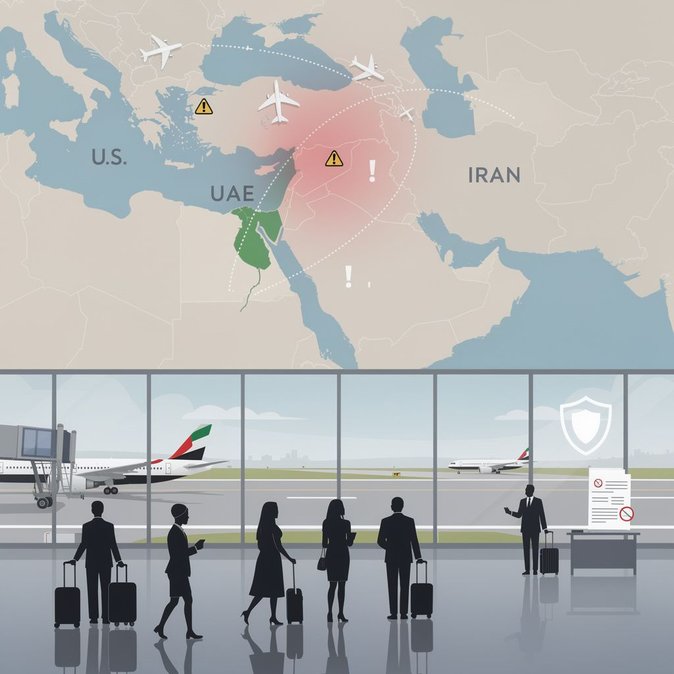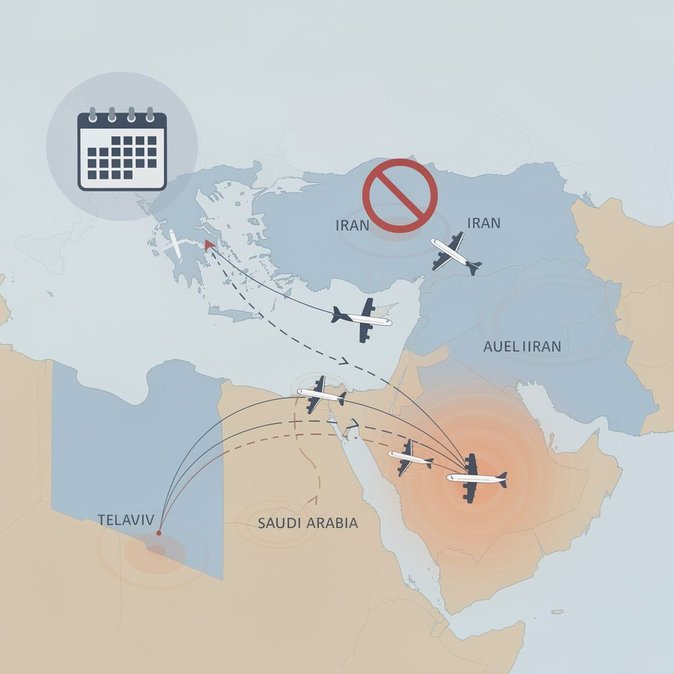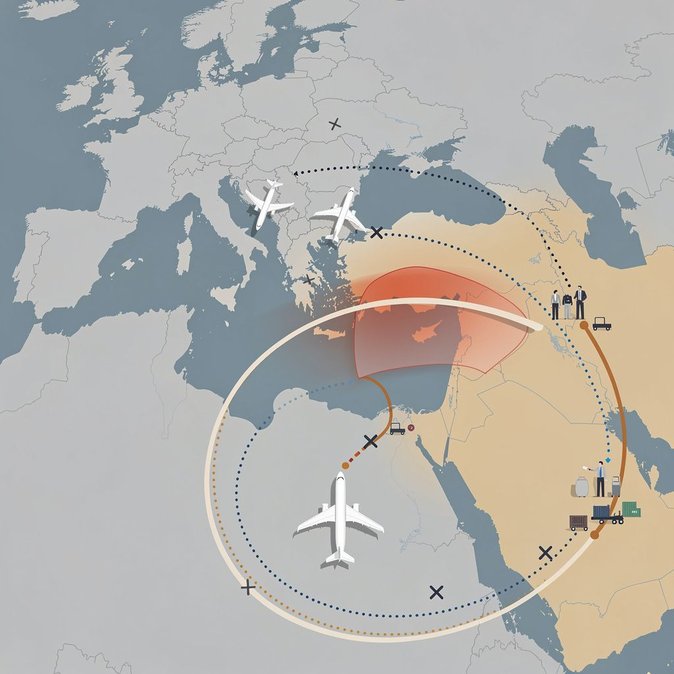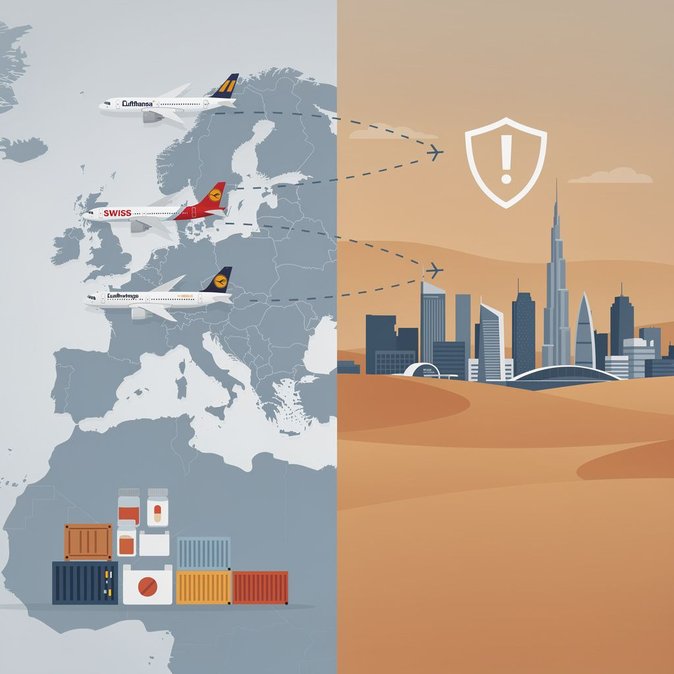
Lufthansa Group has once again delayed the planned restart of passenger flights to Dubai International Airport (DXB). According to the carrier’s latest operational bulletin, published on 12 November on aviation-tracking portal Airspace Times, Lufthansa (Frankfurt & Munich), SWISS (Zurich) and Eurowings (Berlin) services will remain suspended until at least 25 November 2026. The airlines had originally hoped to return on 25 October after a seven-month hiatus triggered by missile and drone strikes across the Gulf following the U.S.–Iran conflict. However, continuing attacks on Saudi airports and warnings from the European Union Aviation Safety Agency (EASA) about over-flight risks above Iran, Iraq and the Strait of Hormuz have forced a more cautious approach. Austrian Airlines, also part of the group, is maintaining its separate plan to launch Vienna–Dubai flights on 12 December. Corporate travel managers must review bookings routed via Lufthansa Group hubs and consider alternative carriers such as Emirates, Etihad or Turkish Airlines for Middle East itineraries through the end of the month. Although interline agreements allow re-accommodation on partner airlines, seat availability is tight at the start of Dubai’s peak winter season. ForwardKeys data show that German outbound demand to the UAE in December is already 11 % higher than the same period last year. Extended suspension means continued absence of premium European connections for DXB’s multinational workforce. Freight forwarders have also flagged capacity shortfalls for high-value temperature-controlled pharma shipments normally flown on Lufthansa and SWISS wide-body aircraft. Logistics teams should secure uplift on Emirates SkyCargo or re-route via Doha until reliable schedules resume. The group emphasises that 25 November is a tentative date and could shift again if risk assessments change. Mobility leaders should therefore monitor NOTAMs, insurer war-risk clauses and client duty-of-care obligations daily until Lufthansa publishes a firm re-entry timetable.
Source: Airspace Times