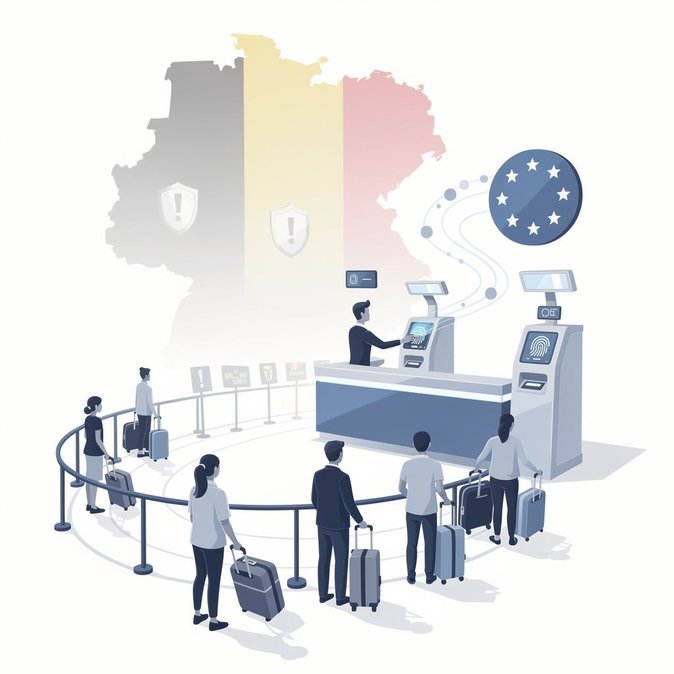
Australia’s Department of Foreign Affairs and Trade revalidated its Smartraveller advisory for Belgium on 12 November, keeping the level at “Exercise normal safety precautions” but adding detailed guidance on the EU’s new Entry/Exit System (EES). The notice reminds Australian passport-holders that biometric registration is now mandatory at the first Schengen entry point and warns of “possible delays at border crossings,” including some reintroduced checks on the Belgian borders with France, Germany and the Netherlands. The advisory also underlines stricter local laws on face-covering in public and reiterates that general strikes remain a recurring source of travel disruption. For corporate mobility managers the refreshed note is a prompt to verify that assignees’ passports are machine-readable and have at least three months’ validity beyond departure, as Belgian immigration officers can deny entry if the document fails EES scanners. Australian companies sending staff to EU headquarters in Brussels are advised to update pre-departure briefings: inform travellers that their fingerprints and facial image will be taken on arrival, that EES registration is free, and that they should keep a copy of their registration receipt for onward travel within Schengen. Dual Australian-EU nationals should enter with their EU passport to avoid unnecessary EES enrolment. While the content is primarily aimed at Australian citizens, it reflects broader operational realities for all third-country nationals. The focus on potential strikes and heightened terrorism alert dovetails with Belgian employer guidance, underscoring the value of flexible itineraries and real-time security monitoring.