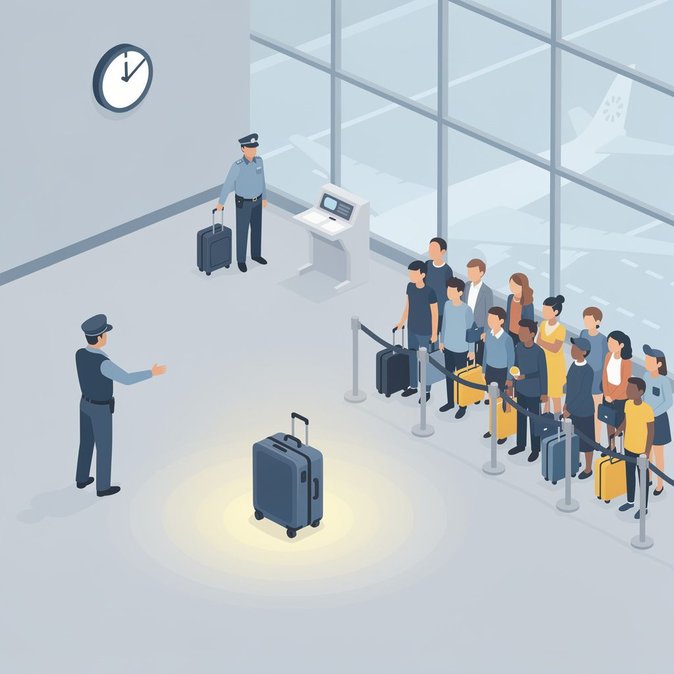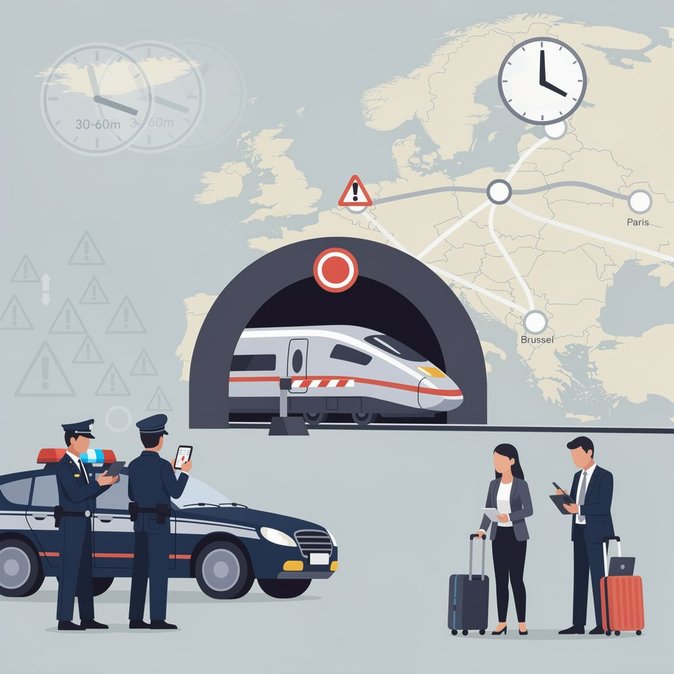
The European Commission’s Schengen monitoring portal was updated on 12 November to reflect France’s decision to prolong internal border controls until 30 April 2027. Although the measure is implemented by France, it directly impacts travellers crossing between Belgium and France by road, rail or air because identity checks can now be reactivated at any time at the frontier, in stations such as Lille Europe and Brussels-Midi, and on intra-Schengen flights. France cites persistent jihadist threats, rising antisemitic attacks and smuggling networks around the Channel coast as justification. For Belgian-based multinationals the extension revives administrative friction last seen during the pandemic. Coach operators report journey-time buffers of up to 30 minutes to accommodate spot checks, while Eurostar warns corporate bookers that ID verification before boarding in Brussels may be duplicated on arrival in Lille or Paris. Short-notice inspections also complicate posted-worker logistics: drivers must carry A1 certificates and Schengen-compliant travel documents at all times. Legal advisers note that France’s notification falls under Article 25 of the Schengen Borders Code, meaning controls remain “temporary” but can be rolled over every six months for up to three years. The French interior ministry has already hinted that a further extension may be sought ahead of the 2027 Rugby World Cup. Belgium’s federal police say they are “co-operating closely” with French counterparts but will not introduce reciprocal checks. Global mobility teams should therefore brief assignees and frequent business travellers to build extra buffer time into cross-border trips, ensure passports or national ID cards are valid for the entire stay, and verify that residence permits or single-permit annex 46 cards are carried physically, not just as digital scans. Companies moving equipment or samples should expect more frequent vehicle searches and prepare Carnet ATA paperwork accordingly. While the controls stop short of a full visa requirement, they mark a further erosion of frictionless movement within the Schengen area and could foreshadow wider tightening by other member states. HR and travel managers are advised to monitor subsequent Commission opinions, which could challenge the proportionality of France’s measures if the security rationale weakens.
Source: European Commission – DG Home