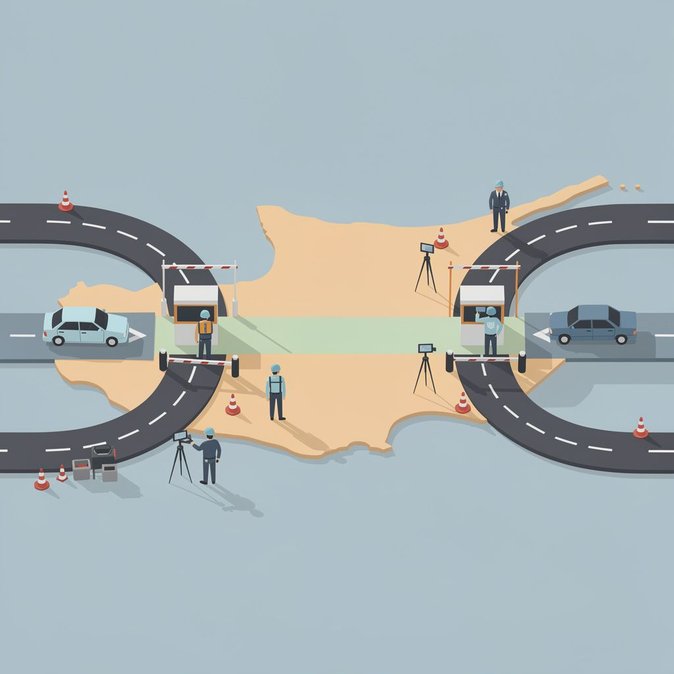
Cyprus’ Deputy Minister of Migration, Nicholas Ioannides, told parliament on 11 November that the government will ask for just €60.2 million to run the migration service in 2027—€14.5 million less than this year. The dramatic cut is possible because irregular arrivals have collapsed: only about 1,500 people have reached the Republic so far in 2026, compared with roughly 14,000 in 2022. Ioannides said the sharp fall stems from two main factors. First, joint patrols with the Lebanese navy have halted sea arrivals since late 2025. Second, a concerted clamp-down on undocumented crossings of the island’s 180-kilometre buffer zone—combined with faster processing of asylum claims and more voluntary returns—has reduced overland flows by more than 90 %. More than 8,600 third-country nationals have departed this year, three-quarters of them under EU-funded assisted-return programmes. Major infrastructure projects are also finishing. Upgrades to the Pournara first-reception centre and the expansion of Kofinou were completed in October, while the new Limnes facility will be handed over this month. With construction bills largely paid, EU funds are expected to cover 90 % of next year’s operating costs. For employers and foreign residents, the most practical change is digitalisation. By mid-2027 applicants will be able to check residence-permit files online, and 46 permanent staff will be hired to clear the remaining backlog. The ministry is also preparing for the EU Pact on Migration and Asylum, which will require closer cooperation with countries of origin on returns and more structured integration measures such as Greek-language training. Business-travel and global-mobility managers should note that Cyprus currently hosts about 200,000 valid residence permits. Faster online processing—and fewer new arrivals competing for limited appointments—could shorten lead times for work and family permits, particularly in the booming tech and shipping sectors clustered around Limassol and Nicosia.
Source: KNews