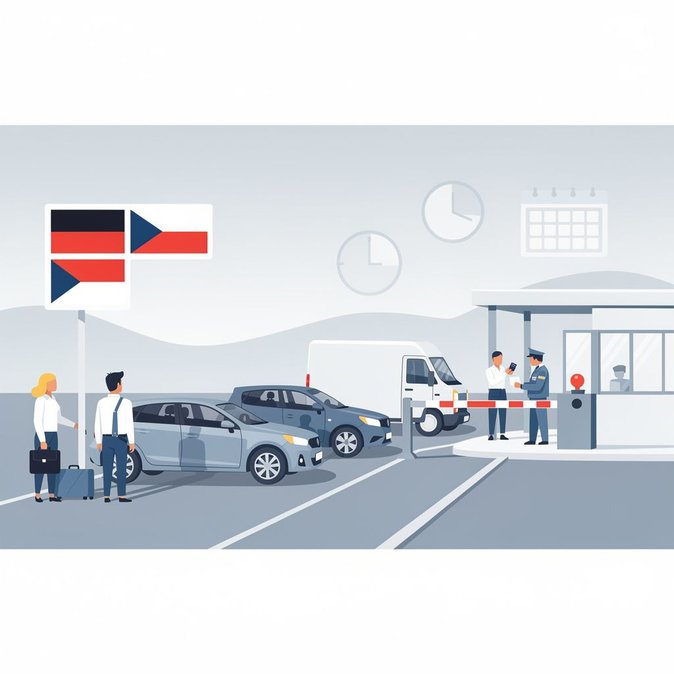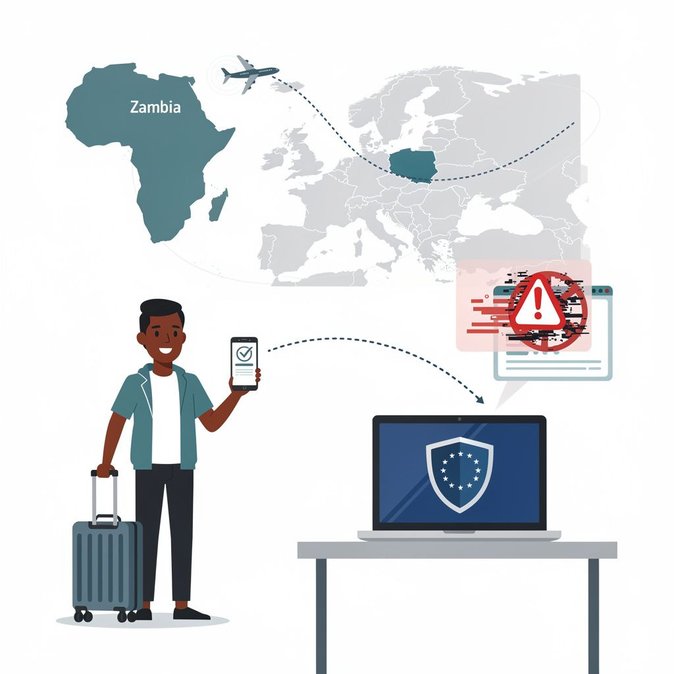
The Czech Embassy in Lusaka has used its consular bulletin to alert Zambian and other visa-exempt nationals that the European Travel Information and Authorisation System (ETIAS) will become mandatory for short-term visits to the Schengen area from 2027. The notice, posted on 12 November, emphasises that ETIAS is not a visa but an electronic travel authorisation similar to the US ESTA or Canada’s eTA. Under the scheme, nationals of around 60 countries that currently enjoy visa-free access—including Zambia, South Africa and Lesotho—will need to complete an online application before boarding transport to Europe. The authorisation will cost €7, be valid for three years and allow multiple 90-day stays within any 180-day period. Data will be cross-checked against EU immigration and security databases; applicants flagged for risks may face additional screening or refusal. For Czechia, ETIAS is expected to dovetail with the Entry/Exit System (EES) launched earlier this year, giving border police automated alerts on over-stayers. Airlines operating the Lusaka–Dubai–Prague route have already requested API-feed access to the Commission’s ‘carrier gateway’ so they can verify ETIAS status at check-in once the system goes live. Human-resources teams sending employees to the Czech Republic on short-term projects should plan for the extra step in 2027 travel timelines. While the formal go-live date has yet to be fixed, EU-LISA says large-scale industry testing will begin in late 2026. The embassy warns travellers not to use unofficial websites offering early ETIAS registrations for a premium fee. In practical terms, global mobility managers should: (1) budget for the €7 fee per entry cycle, (2) update pre-trip checklists to include ETIAS approval print-outs or screenshots, and (3) monitor Commission communiqués for the final implementation calendar.