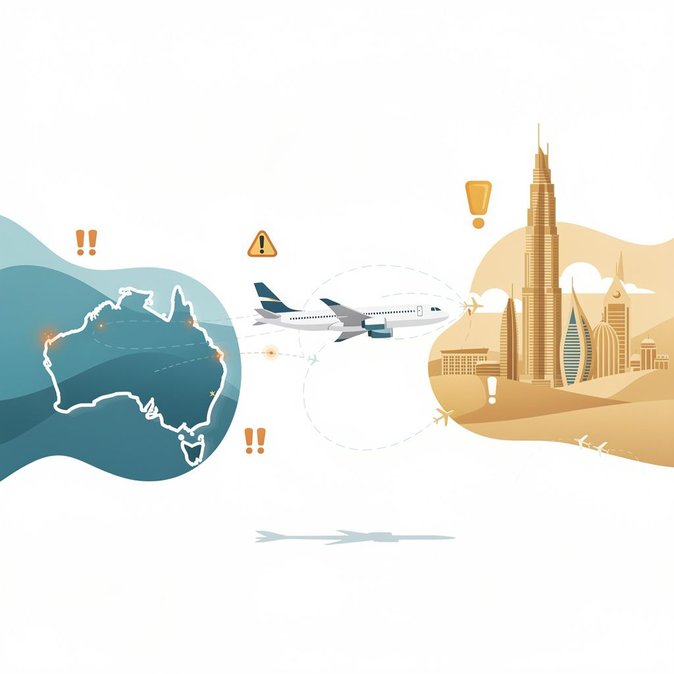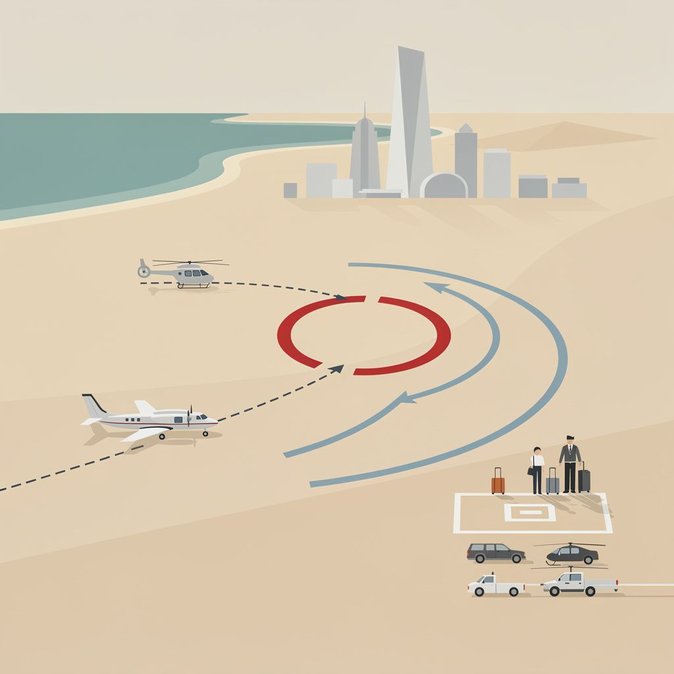
Independent security platform WarMonit published its latest risk snapshot for Dubai on 15 November, rating the emirate 5/10 (moderate) and noting that the US State Department continues to designate the entire United Arab Emirates as “Level 3: Reconsider Travel”. The UK and Canada, by contrast, maintain only heightened-caution advisories, underlining the divergence in government risk appetites. WarMonit’s methodology aggregates official travel warnings, NOTAM airport closures and conflict-zone bulletins from the European Union Aviation Safety Agency. The dashboard shows no operational closures at Dubai International, Al Maktoum, Sharjah or Zayed International airports, but flags one active EASA warning covering overflights of Gulf waters. Two conflict-related developments referencing Dubai were logged in the past week, both linked to ongoing Russia–Ukraine diplomatic activity hosted in Abu Dhabi. For mobility managers, the value of such third-party trackers lies in triangulating government advice with live aviation and security data. Companies with global-mobility programmes in the UAE typically use a blended approach: adopting the strictest government advisory as a baseline while layering in real-time feeds to trigger traveller alerts. In the current environment, that means treating US-origin staff movements with extra caution, even though UK and Canadian nationals face fewer employer-imposed restrictions. Practical steps recommended by WarMonit include pre-trip briefings on missile and drone risks, ensuring that travel-insurance policies do not automatically lapse under Level-3 conditions, and reminding travellers that rapid escalations can close airspace with little notice—as occurred during the US-Iran conflict earlier this year.
Source: WarMonit