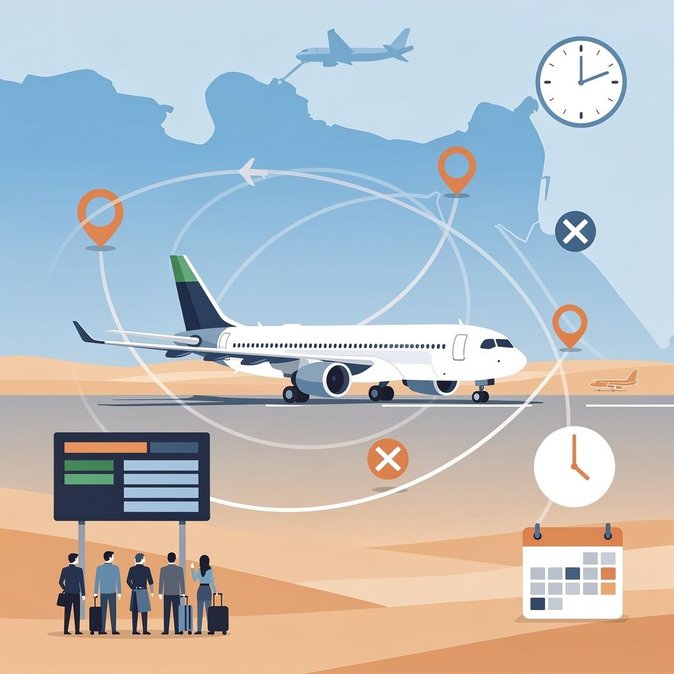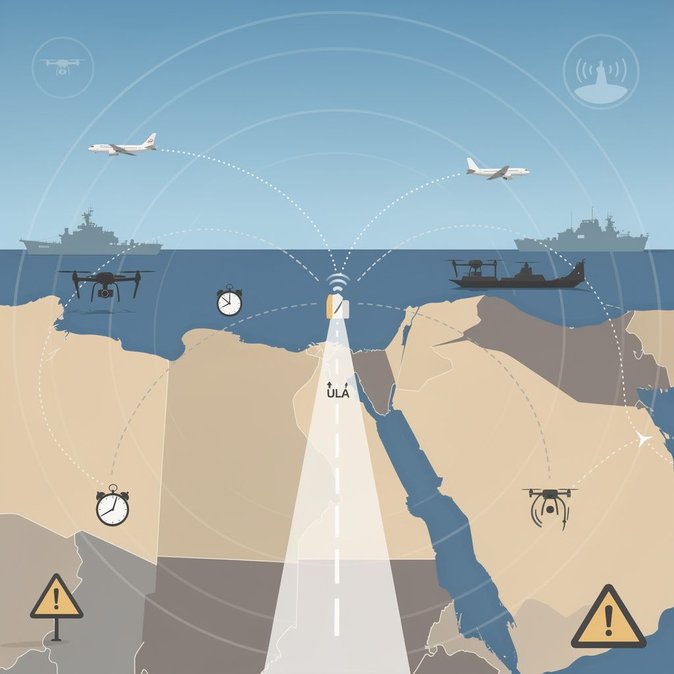
A Gulf News briefing issued on 13 November summarised the latest flash-points in the US-Israel-Iran confrontation and their implications for those living and working in the UAE. Iran’s Islamic Revolutionary Guard Corps claimed to have struck a US radar installation in Bahrain, while Yemen’s Houthi movement said it had targeted Saudi oil sites and airports. The UK Maritime Trade Operations centre also confirmed a projectile incident near Ras Al Khaimah, underscoring maritime risks close to UAE waters. Despite the flare-ups, UAE airspace remains open; however, airlines continue to tweak schedules. Etihad has cancelled Riyadh and Dammam flights through 19 November, and Emirates maintains selective suspensions on Saudi routes and its Dubai–Tel Aviv service. The European Union’s conflict-zone bulletin covering UAE airspace is still in force, and Western governments advise travellers to be ready for sudden airport closures. For businesses, the takeaway is that contingency planning must now cover both aviation and shipping lanes. Logistics managers are watching for insurance-premium hikes on Strait of Hormuz transits, while corporate security teams advise employees to avoid photographing military assets or sharing live-location data. HR departments are urged to remind staff of embassy registration services and to review evacuation protocols—even for short-term assignees. Experts say the UAE’s robust civil-defence infrastructure and diversified supply chains offer resilience, but warn that psychological stress on foreign staff can be high. Regular briefings, verified information channels and flexible work-from-home arrangements are recommended until tensions ease.
Source: Gulf News