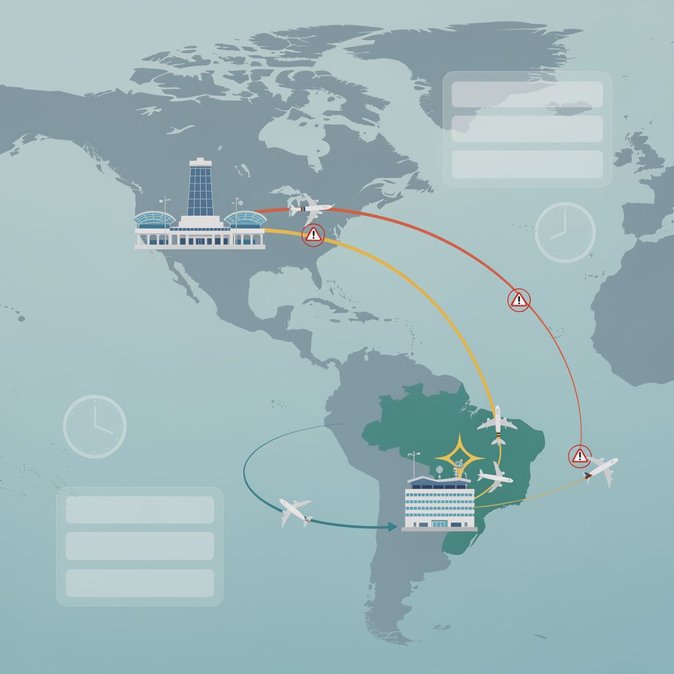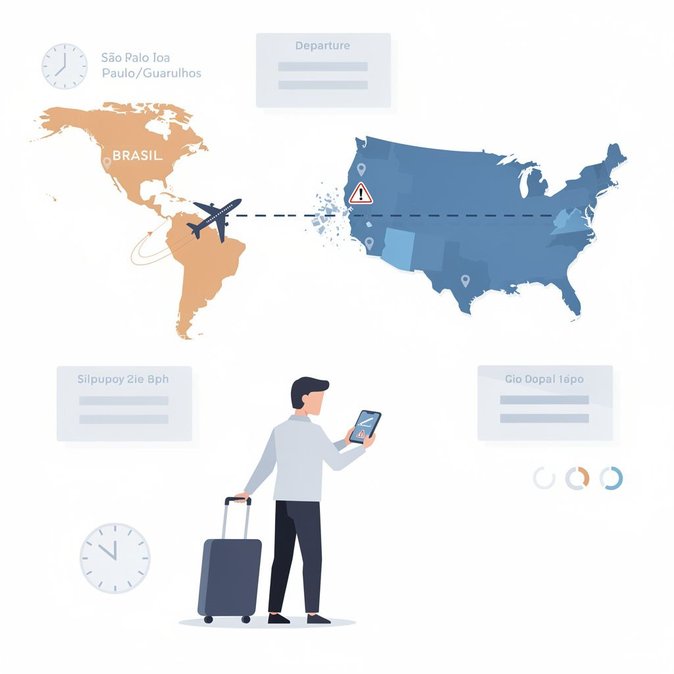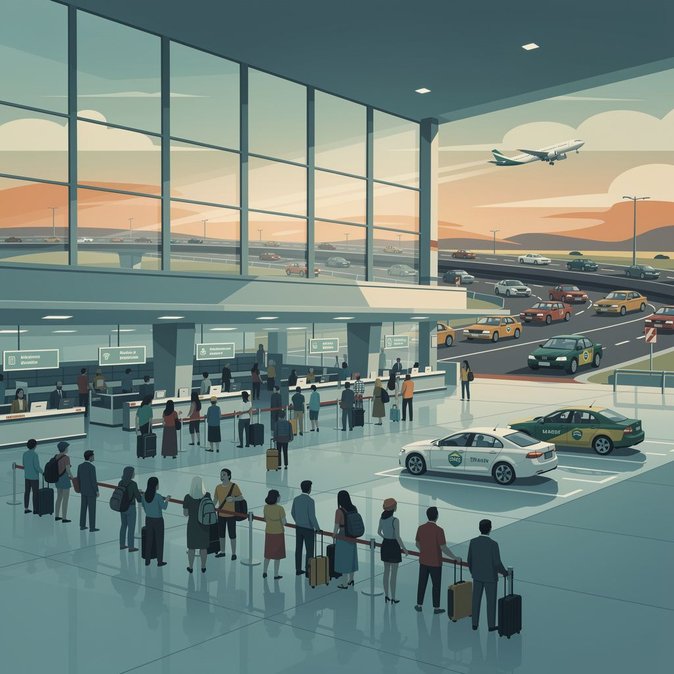
Brazil’s Proclamação da República holiday on 15 November coincides with major sporting and cultural events in São Paulo, Rio de Janeiro and Gramado, creating what travel-risk intelligence firm A1 calls a “moderate-high” domestic mobility environment. In its 09:00 UTC bulletin the company projects peak load factors above 95 percent on trunk air routes and road-traffic increases of up to 30 percent on coastal highways leaving the capital. Airports GRU, GIG, CGH and BSB top the congestion ranking, with self-bag-drop and early arrival recommended for all passengers. Although no strikes or weather disruptions are forecast, A1 urges travellers connecting to the United States, Canada or Mexico to arrive three hours early because the FAA outage continues to cause rolling delays. Car-rental shortages and surge pricing by ride-hailing apps are also expected around São Paulo’s Allianz Parque, where a sold-out concert series overlaps the holiday. For mobility managers the key concern is cost escalation. Hotel occupancy in tourist hotspots such as Gramado—host of Festuris—has already exceeded 92 percent, pushing average daily rates 34 percent higher than last year. Companies with rotational staff should review per-diem caps or shift check-in dates to post-holiday windows. Logistics providers face knock-on effects as well. LATAM Cargo and GolLOG have pre-emptively blocked ad-hoc freight bookings from 14–17 November to secure belly-hold space for passenger baggage. Time-sensitive pharmaceutical shipments may need to move via Viracopos or Confins, A1 notes. The silver lining is weather: Brazil’s meteorological service predicts stable conditions over the Southeast corridor, reducing the probability of storm-related cancellations. Nevertheless, A1’s five-step action plan—monitor flight status, pre-book transport, allow extra transit time, advise travellers of crowding risks and review contingency budgets—remains sound advice for corporate mobility teams.
Source: A1 Inteligência de Viagens