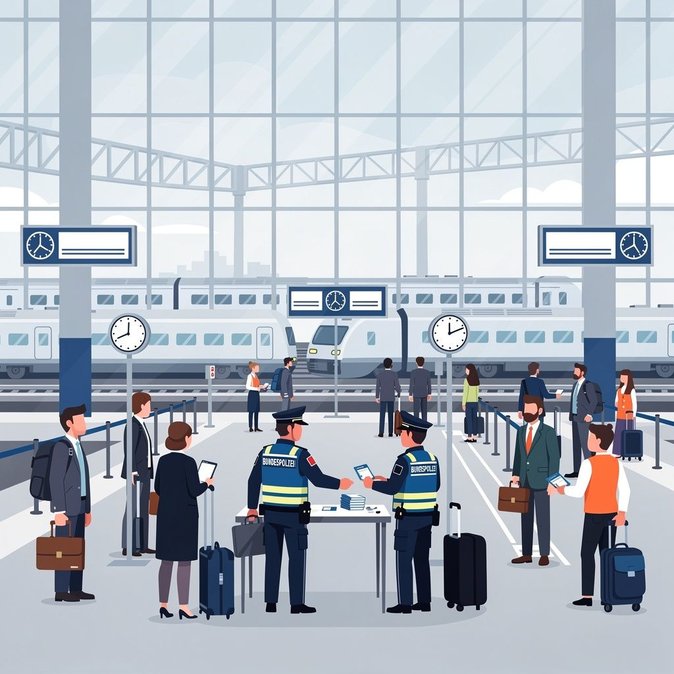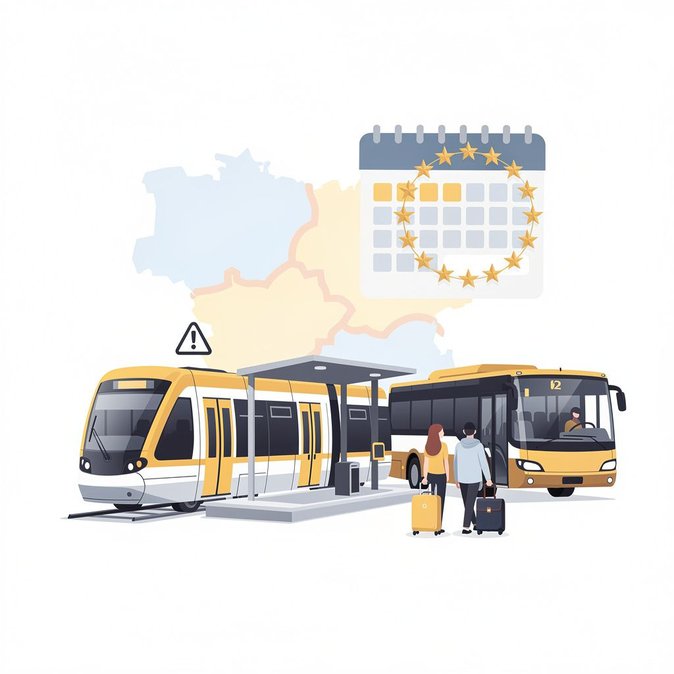
The long-running wage dispute between Saarbahn GmbH and the train drivers’ union GDL showed no sign of abating on Sunday, 15 November 2026. A rolling series of 24-hour walk-outs has reduced the frequency of the S1 tram-train that links Saarbrücken with surrounding towns and the French city of Sarreguemines. Strike-tracking portal data confirm the action will continue, on a ‘wave’ schedule, until at least Christmas Eve. For business travellers, the impact is two-fold. First, Saarbrücken’s small but important regional airport relies on the S1 for last-mile access; replacement buses add 25–30 minutes. Second, the route provides a useful Schengen-area alternative to ICE services when boarding restrictions arise from Germany’s internal border checks. Mobility managers with staff shuttling between automotive suppliers in Saarlouis, Luxembourg and Metz are therefore being advised to book rental cars or coordinate car-pooling. The GDL is demanding a 10 % pay rise plus a one-off inflation bonus for tram-train drivers to bring them in line with Deutsche Bahn colleagues. Saarbahn argues that municipal finances cannot absorb the increase without fare hikes. Saarland’s Minister-President Anke Rehlinger appealed on Sunday for a “Christmas truce,” but both sides remain entrenched. Under German labour law, strikes by private-sector rail operators fall outside the definition of ‘extraordinary circumstances’ in EU 261/2004. Passengers whose journeys begin in Germany are therefore entitled to compensation of 25–50 % of the ticket price for delays of 60 minutes or more. Companies should remind travellers to collect confirmation slips from replacement-bus staff. Looking ahead, the strike could collide with the seasonal spike in cross-border shopping trips and winter tourism to the Vosges mountains. Employers with posted workers in the Saar-Lor-Lux region should monitor the union’s 48-hour strike-notice window and build contingency plans into December production schedules.