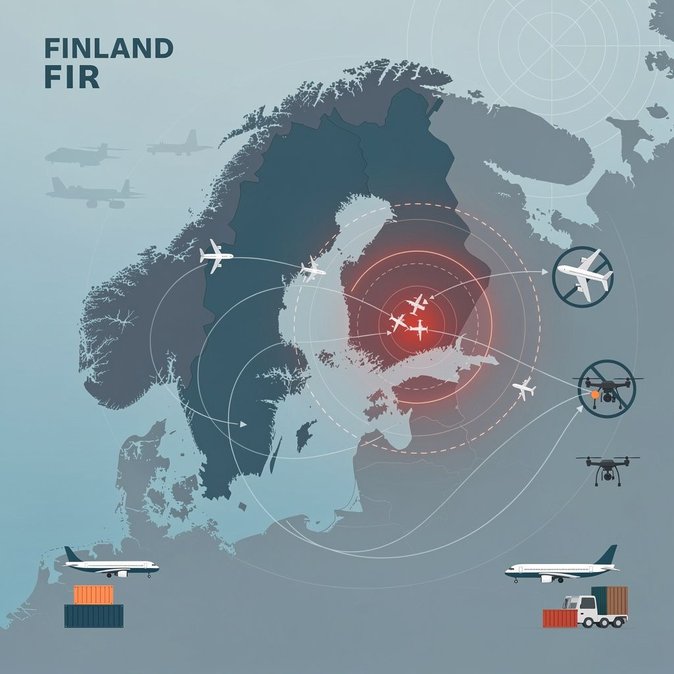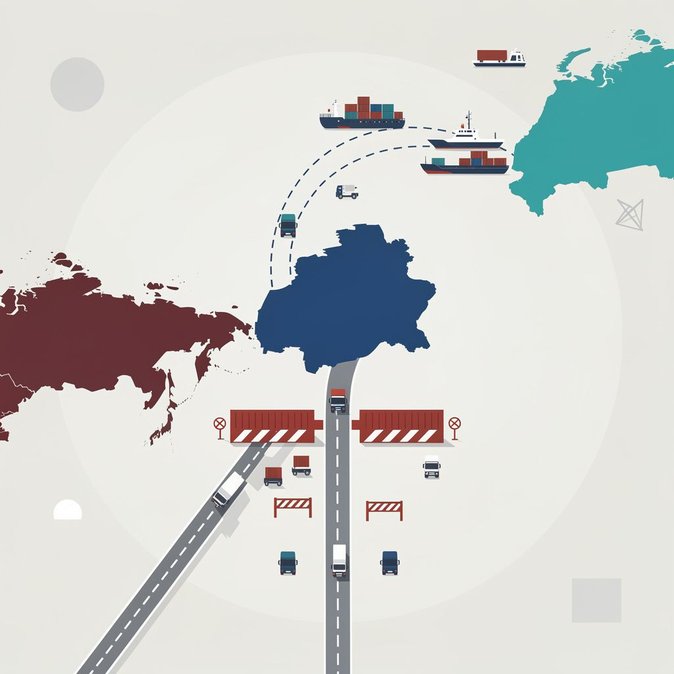
Estonia’s foreign minister Margus Tsahkna announced on 15 November 2026 that all road border crossing points with Russia will close from 1 December following an attempted arson attack on an Estonian defence manufacturer. In his statement, Tsahkna said he had already coordinated the decision with “colleagues in Finland, Latvia and Lithuania,” signalling a regional response to hybrid threats. While Finland’s own eastern border has been closed to regular traffic since December 2023, thousands of lorries each month use the Tallinn-Helsinki sea corridor to reach EU markets. Shipping analysts warn that the Estonian closure could divert more freight to Finland’s ports of HaminaKotka and Vaalimaa’s limited customs facilities, potentially straining capacity during the peak Christmas season. Finnish Customs told Global Mobility News it is reviewing staffing levels and may extend inspection hours if truck flows rise. For business travellers, the move eliminates one of the few remaining overland routes between the EU and Russia, increasing reliance on indirect flights via Istanbul, Belgrade or Dubai. Finnish companies with staff rotation into Russia’s energy and forest-products sectors should reassess travel-risk policies, ensuring that contingency evacuation plans do not rely on the Narva or Koidula crossings. Logistics providers DHL Global Forwarding and DB Schenker say they will shift sensitive just-in-time components via the Port of Ust-Luga to Lübeck, bypassing the Baltic road network entirely. However, exporters of refrigerated foodstuffs from Northern Finland fear longer transit times and higher costs as drivers take ferries directly to Germany or the Netherlands instead of using the shorter Finnish-Estonian route. The closure also underscores the political linkage between border management and security. Finnish legislators are currently debating Bill HE 148/2026 to extend the country’s “instrumentalised migration” law, allowing rapid shutdown of crossing points in response to hybrid pressure. Companies operating cross-border supply chains should monitor these developments and build flexible routing options into contracts.