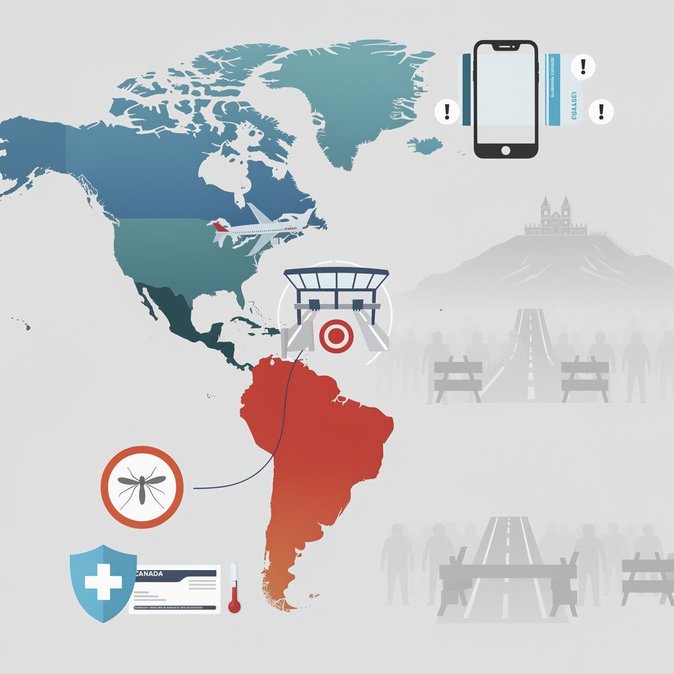
Global Affairs Canada updated its Peru Travel Advice and Advisory on 16 November, urging Canadian visitors to brace for significant disruptions as Pope Leo XIV’s tour moves to Cusco, Chiclayo and Pucallpa. The advisory upgrades the Health section with a dengue notice and, crucially for travellers, flags that Cusco’s Alejandro Velasco Astete International Airport will suspend all operations on 15 November from 07:45 to 15:05 local time. The temporary closure coincides with a mass expected to draw hundreds of thousands of pilgrims to the ancient Inca capital. Road closures, heightened security screening and packed public transport are expected not only in Cusco but also in Lima and other tour stops. Domestic carriers LATAM and Sky Airline have already issued waivers allowing date changes without penalty, but seat availability around the Machu Picchu gateway remains tight. Canadian tour operators report that high-season itineraries are being re-routed via Arequipa or Juliaca, adding eight to ten hours of bus travel. Travellers who must transit Cusco for onward treks are advised to monitor airline notifications closely and confirm hotel reservations, as many properties are commandeered by church delegations and media crews. Beyond the Papal visit, the updated advisory reiterates longstanding regional risk levels: ‘Avoid all travel’ to the Apurímac, Ene and Mantaro River Valley (VRAEM) and ‘Avoid non-essential travel’ near borders with Colombia and Ecuador. It also reminds visitors that states of emergency remain in effect in Lima and Callao, granting security forces expanded search-and-seizure powers. Companies with expatriate staff or mining projects in Peru should review duty-of-care plans, ensure employees have emergency contact numbers saved offline, and remind them to carry identification at all times given the intensified security checks.