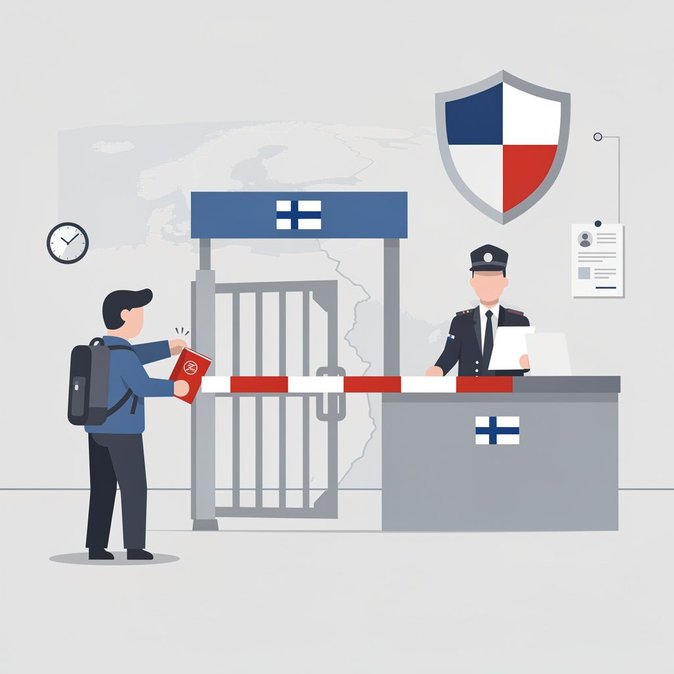
Finland’s much-debated tightening of visa rules for citizens of the Russian Federation moved from policy to practice on Monday, 16 November. Border-guard officials confirmed that a Russian figure-skater who had travelled to Finland on a short-term work visa was ordered to depart the country after officials determined that her presence was no longer permissible under the new guidelines. The measures stem from the Finnish Government’s 12 November resolution that classifies the entry of Russian citizens for non-essential purposes—including professional sports and other short-term work—as a threat to Finland’s international relations. From 16 November onward, consular posts must refuse new Schengen visa applications that do not serve Finland’s “vital national interests,” while border guards may cancel existing visas at the point of entry or during on-site inspections. Dual nationals and holders of Finnish residence permits are exempt. Monday’s enforcement saw the Finnish Border Guard apply a whole-of-government risk assessment: the athlete’s activity was judged neither essential to national interests nor compatible with the Government resolution. Under Section 133 of the Aliens Act, authorities therefore issued a refusal-of-stay order and escorted the visitor to a departing flight. Similar spot checks are expected at ports, airports and hotels hosting international competitions during the coming weeks, and sporting federations have been advised to refrain from inviting Russian participants. For companies arranging events or short-term assignments in Finland, the decision underscores a significantly higher compliance burden. Event organisers must now verify in advance whether guest performers or staff who hold Russian passports fall under the new prohibition. Organisations planning cross-border projects with Russian contractors are urged to explore remote-work options or shift assignments to third-country venues. The move places Finland among the strictest EU member states in terms of Russia-related travel after the invasion of Ukraine. Observers note that Norway is preparing a similar policy and that further Nordic coordination is likely, raising the possibility of a de-facto visa-ban belt from the Baltic to the Barents Sea. Global mobility managers should monitor invitation processes carefully and build in extra review time when Russian nationals appear on traveller manifests.
Source: Yle News