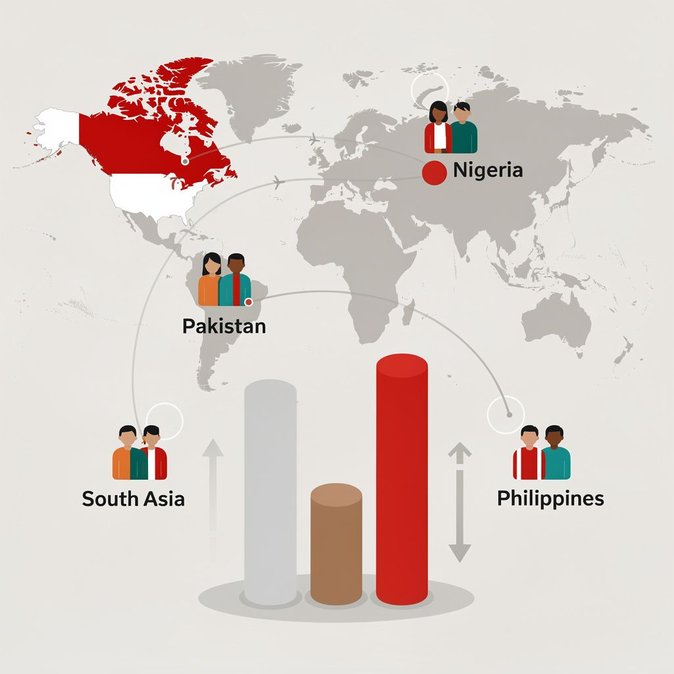
Immigration, Refugees and Citizenship Canada (IRCC) has quietly posted a new statistical update showing that 44,060 proofs of Canadian citizenship were finalized between January 1 and September 30 2026, essentially restoring the department’s pre-review pace of roughly 5,000 files per month. The data—released on November 17—marks the first time since early 2024 that IRCC’s monthly output has exceeded new intake, signalling that the worst of the pandemic-era backlog for this program may finally be behind it. Context: Proof-of-citizenship certificates (also called “citizenship certificates” or “certificates of Canadian citizenship”) are used by people born abroad to a Canadian parent as well as by some naturalized citizens who need an official citizenship document. Processing times ballooned to more than 31 months in 2025 after IRCC diverted staff to higher-priority files, forcing multinationals to scramble for alternative identity evidence when transferring employees to Canadian payrolls. What changed: In June 2026, IRCC created a dedicated triage unit in Sydney, N.S., and expanded digital intake through the new Citizenship Portal. Those moves, plus overtime funding announced in the 2026 federal budget, allowed officers to work through a quality-assurance backlog of some 37,000 files. The department says it is now on track to meet its 2027 service-standard target of 20 months. Business implications: Faster proof-of-citizenship decisions mean global mobility teams can put assignees with Canadian parentage on payroll sooner, avoid duplicate work-permit applications for those who are actually citizens, and eliminate costly travel for paper-based oath ceremonies. Companies should review their mobility policies to ensure employees know they can request urgent processing when a firm start date is at stake. Practical advice: 1) Urgent processing requests should include a signed letter from the employer confirming the assignment start date; 2) applicants should upload high-resolution scans of legacy citizenship cards or parents’ long-form birth certificates to reduce follow-up requests; and 3) HR teams may wish to schedule post-decision SIN appointments in advance, given Service Canada’s own queues.
Source: CIC News