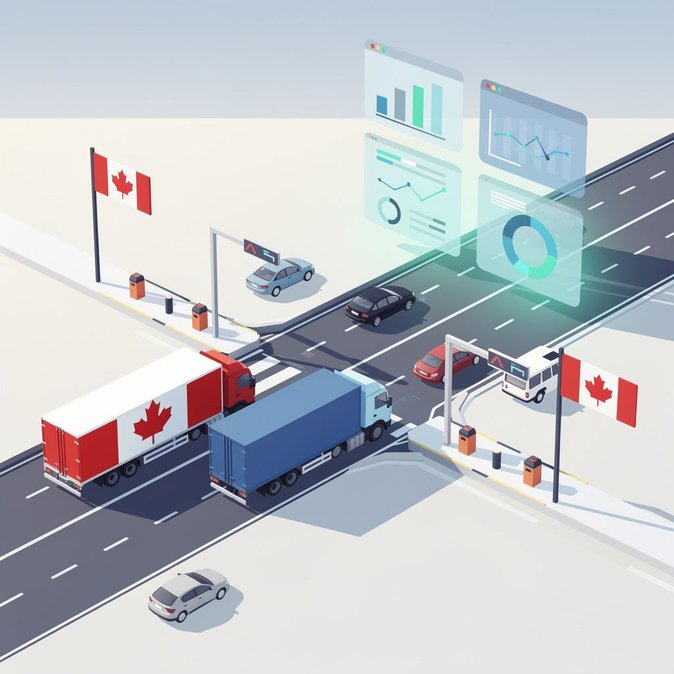
Morning commuters crossing from the United States into Canada on November 17 enjoyed a rarity: every one of the Canada Border Services Agency’s 30 busiest land points reported “No Delay” for passenger vehicles at 07:15 AST. The clean sweep comes 48 hours after CBSA quietly rolled out a cloud-based analytics platform that pools license-plate toll data, NEXUS swipe counts and staffing rosters to predict real-time service levels. The upgrade replaces a 12-year-old manual reporting system that often lagged actual conditions by up to 30 minutes. CBSA officials say the new dashboard can flag emerging bottlenecks within three minutes, allowing managers to redeploy officers or open overflow lanes before lines build. Why it matters: Northbound commercial traffic averages C$2.5 billion in goods daily, and even a 15-minute delay can cost shippers up to C$1,100 per truck in labour and spoilage. For business travellers, shorter and more predictable wait times mean tighter meeting schedules and fewer overnight stays on the U.S. side. Tips for travellers: 1) Refresh the CBSA wait-time site just before departure rather than hours ahead; 2) ensure NEXUS cards are activated in the new Advance Declaration app for faster primary inspection; and 3) watch for pilot “express lanes” for vehicles with four or more occupants, slated to launch at the Peace Bridge later this month.
Source: Canada Border Services Agency