FAA Ground Stop Ripple Effects Snarl Canadian Airports; Recovery Expected by Sunday
Express Entry Still Frozen: Day 12 Without Invitations as IRCC Re-scores Pool
Expert Says Canada’s Air-Traffic Control Model Averts U.S.-Style Ground Stops
Latest News

Weekend Flight Disruptions Continue at Canadian Hubs After U.S. Outage
Canadian airports faced a second day of heavy delays and cancellations on 15 November, two days after the FAA’s communications failure grounded U.S. flights. Air Canada alone scrubbed 250 flights, and airports warned that full schedule integrity might not return until early in the week. The episode stresses the fragility of tightly scheduled airline networks and the need for corporates to build flexibility—and awareness of APPR compensation—into their travel policies.
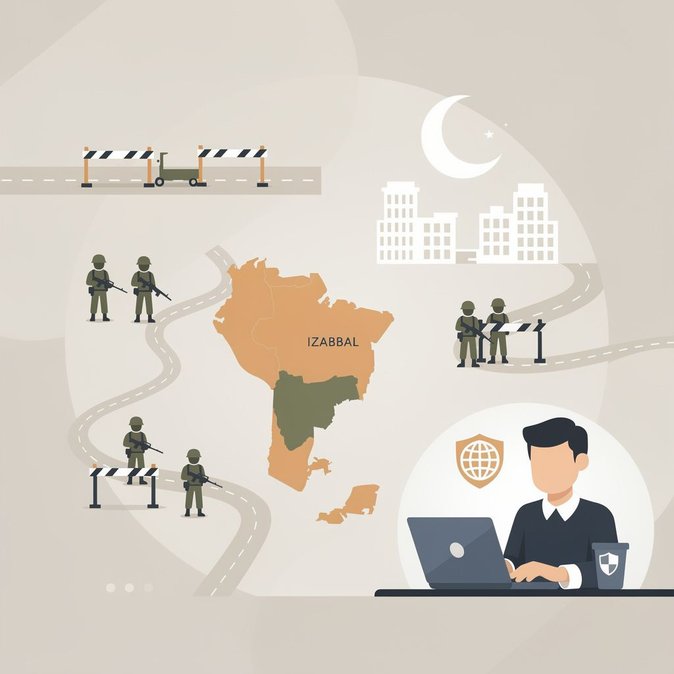
State of Siege in Two Guatemalan Departments Triggers Canadian Travel Advisory Update
Canada updated its Guatemala advisory on 15 November after a 30-day state of siege was declared in Izabal and Zacapa. The update warns Canadians of military checkpoints, curfews and possible road closures, urging companies with staff or projects in the region to activate enhanced security protocols.

Russian Team Denied Entry for World Junior Hockey Over Canadian Restrictions
The IIHF announced that Russia’s junior hockey team will be absent from this winter’s World Junior Championship in Alberta after the Canadian government declined to grant the necessary clearances. The decision reflects Canada’s broader sanctions regime and highlights the immigration minister’s authority to refuse visas on foreign-policy grounds—an important reminder for event organisers handling sanctioned nationals.

Newfoundland and Labrador invites 95 workers in dual NLPNP and AIP rounds
Newfoundland and Labrador published results of two immigration draws that together invited 95 workers—73 through the NLPNP and 22 under the Atlantic Immigration Program. Candidates have only 30 days to lodge full applications, making advance document readiness critical for employers seeking to convert invitations into permanent hires.
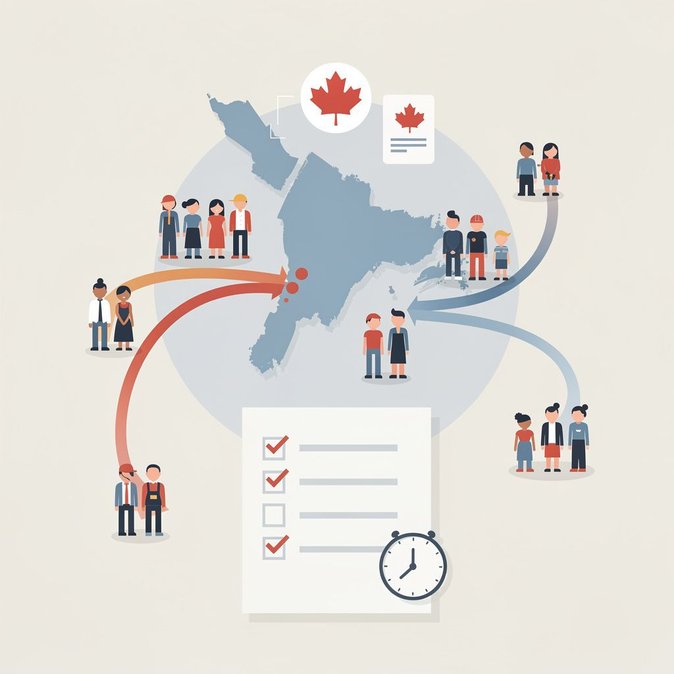
Newfoundland & Labrador issues 95 invitations across PNP and Atlantic draws
Newfoundland and Labrador invited 95 candidates—73 via its Provincial Nominee Program and 22 through the Atlantic Immigration Program—in draws held 9–13 November and published on 15 November. The province is leveraging both streams to fill labour gaps, and invited applicants have 30 days to seek nomination or endorsement before applying federally for permanent residence.

FAA ground stop continues to snarl Canada–U.S. business travel
Although the FAA lifted its nationwide ground stop on 14 November, Canadian airports continued to log significant delays on 15 November, disrupting business travel between the two countries. The incident highlights interdependence between U.S. and Canadian air-traffic systems and prompts companies to review contingency plans.

B.C. PNP draw slashes score to 72 for health workers; 384 invitations issued
On November 15 British Columbia confirmed that its November 13 Provincial Nominee draw invited 384 candidates, including health-care workers at an unprecedented 72-point cut-off. The province’s Care-Build-Innovate strategy is channelling scarce nomination spaces into hospitals, construction sites and day-care centres, offering employers a quicker route to retain foreign talent amid tight federal quotas.

Express Entry pause hits Day 11 as IRCC rescoring nears deadline
IRCC’s system-wide recalculation of Express Entry profiles is still underway, leaving the pool without an invitation round since October 28. The pause—triggered by a new high-wage points factor—should end as early as November 16, but employers and candidates are urged to use the lull to update documents and verify new CRS scores.

IRCC tweaks Express Entry points ahead of broader skilled-worker overhaul
On 14 November IRCC confirmed that it has begun recalculating Comprehensive Ranking System scores to align Express Entry more closely with labour-market needs. Details of the new points grid have not yet been released, and draws are paused until recalculation is complete, creating short-term uncertainty for employers and applicants. Mobility teams should prepare for altered cut-offs and update documentation accordingly.

Budget 2026 gives British Columbia more control over immigrant selection
An analysis of the 2026 federal budget reveals that British Columbia and other provinces will gain expanded authority over whom they nominate through the Provincial Nominee Program, even though national immigration targets remain largely unchanged. Greater provincial discretion is expected to speed recruitment in high-need sectors and will require employers to monitor province-specific criteria more closely.
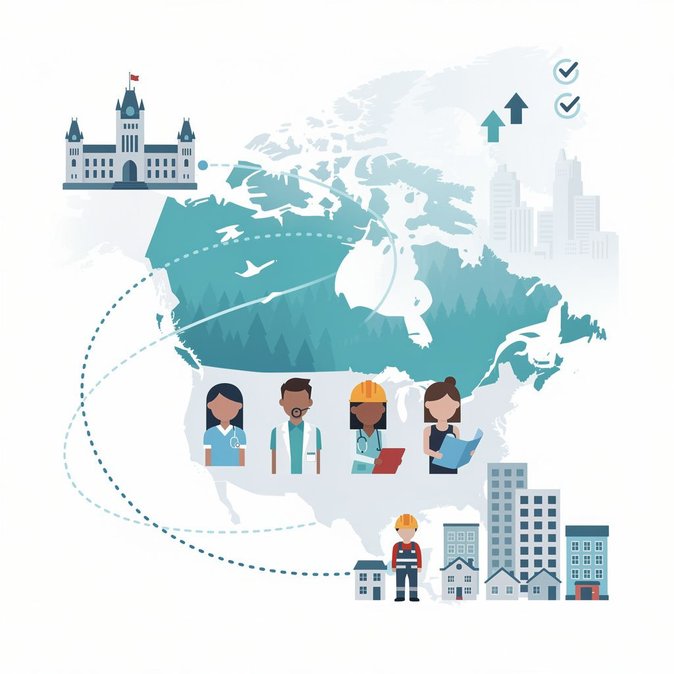
Federal budget signals bigger provincial role in picking newcomers
Ottawa’s 2026 budget boosts the national PNP target to 95,000 and promises provinces greater flexibility in allocating nominations. British Columbia—currently allotted 6,254 spaces—stands to gain, giving it room to fast-track health-care and construction workers. The budget also freezes overall immigration levels and introduces a one-time pathway to convert 200,000 temporary residents to permanent status, offering welcome certainty for employers.

Ottawa pledges to clear Hong Kong permanent-residence backlog by 2027
Canada’s 15 November announcement earmarks enough processing space to finalize roughly 32,000 outstanding applications under the Hong Kong permanent-residence pathways by 2027, ending years-long uncertainty for applicants and their Canadian employers. The pledge, welcomed by advocacy groups, will give thousands of graduates and skilled workers long-term status and greater labour-market mobility. Businesses that rely on Hong Kong talent can now plan assignments and retention strategies with greater confidence.