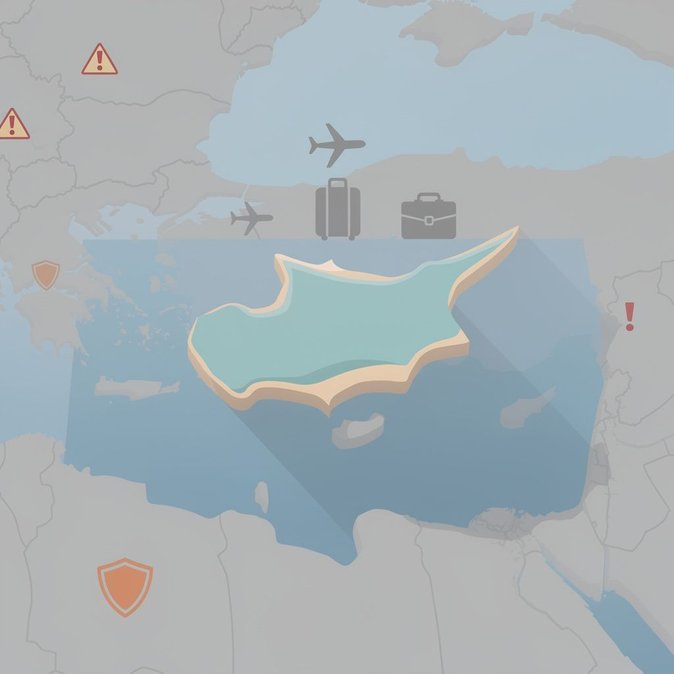
Risk-intelligence platform WarMonit’s 17 November daily brief confirms that Cyprus continues to enjoy the lowest advisory tier — Level 1 / “exercise normal precautions” — from the United States, United Kingdom and Canada. The service, which aggregates official government notices with real-time security data, notes no conflict-related incidents, protests or transport disruptions on the island during the past week. The update is significant against a backdrop of heightened Middle-East tensions that have pushed several Eastern Mediterranean destinations to higher alert grades in recent months. While Israel and Lebanon remain at the “reconsider travel” or “do not travel” level for most Western governments, Cyprus has continued to function as a safe evacuation hub and staging post, a contrast that underpins the island’s attractiveness for multinational companies seeking contingency workplaces. WarMonit highlights that one European Union Aviation Safety Agency (EASA) Conflict Zone Information Bulletin (CZIB) covering portions of the Nicosia Flight Information Region remains active, but stresses that it concerns over-flight routing rather than direct threats to airports or travellers. Commercial carriers currently mitigate the notice by minor track adjustments that add only a few minutes to sector times. For corporate mobility and relocation teams the practical implication is two-fold. First, existing travel-approval thresholds tied to advisory levels remain unchanged, allowing routine business trips and rotational offshore crew changes to proceed without escalation. Second, insurance underwriters typically benchmark policies to official travel tiers; Cyprus’ continued Level 1 standing helps keep premiums stable for expatriates and business travellers. WarMonit nevertheless urges organisations to maintain crisis communication protocols and to brief travellers on the political sensitivities surrounding crossings into the island’s north. The platform will trigger push alerts if any of the three benchmark governments revise their advice or if new NOTAMs suggest a deteriorating aviation risk picture.
Source: WarMonit