Commons adds annual immigration cap and no-notice removals to flagship bill
MPs overhaul Immigration & Asylum Bill, tighten rules on removals and modern-slavery protections
UK plans to scrap notice period for removing failed asylum seekers
Latest News

Home Secretary moves to scrap five-day deportation notice in bid to speed removals
A draft order laid on 17 November would let the Home Office remove failed asylum seekers at any point within six months of an appeal’s final rejection, scrapping the current five-day notice. The plan aims to deter absconding but raises due-process concerns and will shorten the operational window for employers and carriers involved in forced removals.

UK–EU parliamentary meeting revives prospects for bloc-wide youth mobility scheme
At the UK-EU Parliamentary Partnership Assembly on 16-17 November, MPs and MEPs reignited discussion of an EU-wide youth-mobility visa. The non-binding meeting increases political momentum but a scheme would still require formal negotiation and could take two years to launch.
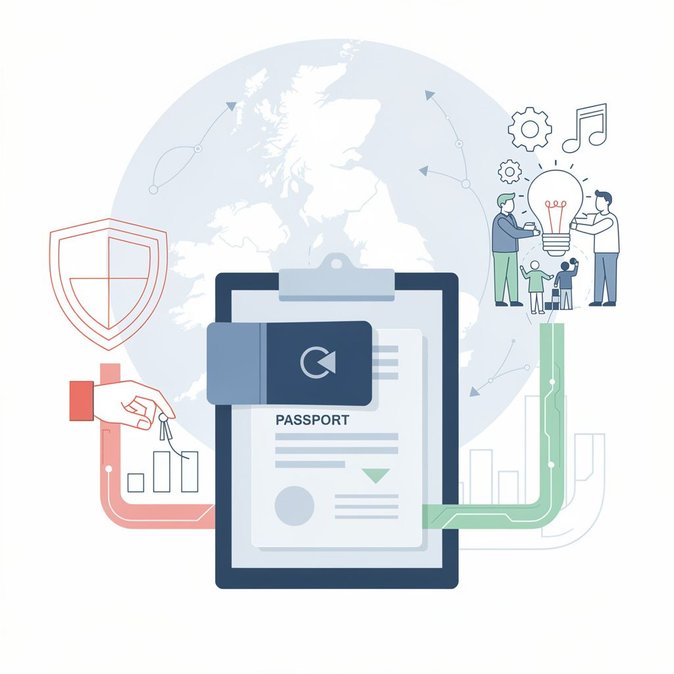
Migration Advisory Committee calls for overhaul of the UK’s talent visas
In a review released on 17 November 2026, the MAC urges ministers to scrap or significantly tighten the Innovator Founder visa and to strengthen settlement checks on Global Talent migrants while expanding fast-track endorsement to more tech and creative roles. The recommendations aim to safeguard route integrity yet keep the UK competitive for top skills, signalling potentially major changes for start-ups and R&D-heavy employers.

Visa-scam victims to be treated as potential modern-slavery cases after Guardian investigation
The Guardian revealed that health-and-care visa scams have left migrant families destitute. The Home Office will now treat such individuals as potential modern-slavery victims rather than immigration offenders, a shift that will increase compliance expectations on licensed sponsors and recruiters.

New data reveal sharp rise in modern-slavery referrals from immigration detention
An ad-hoc Home Office dataset published on 17 November 2026 shows a 28 % jump in modern-slavery referrals originating from immigration detention centres, data released ahead of final debates on the Immigration and Asylum Bill. The numbers increase compliance risks for employers and could shape proposed curbs on ‘late’ trafficking claims.

Parliamentary questions expose uncertainty over doubling of settlement qualifying period
Written parliamentary questions submitted on 17 November reveal a lack of clarity over the Government’s proposal to push most settlement routes from five to ten years, raising immediate budgeting and retention concerns for employers sponsoring foreign staff.

MPs seek to outlaw fully automated immigration decisions amid AI regulation push
An amendment tabled on 17 November would ban the Home Office from using AI to make binding immigration decisions without human oversight. The proposal aligns with the UK’s broader AI-governance agenda and could affect visa-processing timelines and sponsor-licence compliance.

US Embassy issues holiday-season security alert for Americans in the UK
A 17 November security alert from the US Embassy urges American visitors and residents to exercise extra vigilance amid a ‘severe’ UK terror threat level, advising them to avoid large crowds and keep a low profile during the holiday season. The notice may prompt companies to adjust duty-of-care and travel-security measures.

Calais strike triggers delays on Dover–Calais ferry corridor
A four-hour strike by French port workers on 17 November 2026 caused rolling delays and some cancellations on Dover–Calais ferries. DFDS and Irish Ferries advised business travellers to re-book affected sailings, and mobility teams are urged to build strike contingency plans for the critical cross-Channel corridor.

Commons races to overhaul migration law as Immigration and Asylum Bill clears remaining stages
MPs passed the Immigration and Asylum Bill’s report and third-reading stages on 17 November, advancing a sweeping rewrite of UK migration law that tightens asylum rules, lengthens settlement routes and links workers’ settlement rights to sponsor-licence compliance. If enacted, the changes will demand immediate policy reviews by UK sponsors.

MPs Table Sweeping Late-Stage Amendments to Immigration and Asylum Bill
A 150-page Report Stage amendment paper published on 16 November proposes major last-minute changes to the Immigration and Asylum Bill, including a six-month removal window, stricter refugee defences, new ombudsman oversight and corporate anti-slavery duties. If passed, the measures will accelerate removals and impose fresh compliance requirements on UK sponsors and their supply chains.
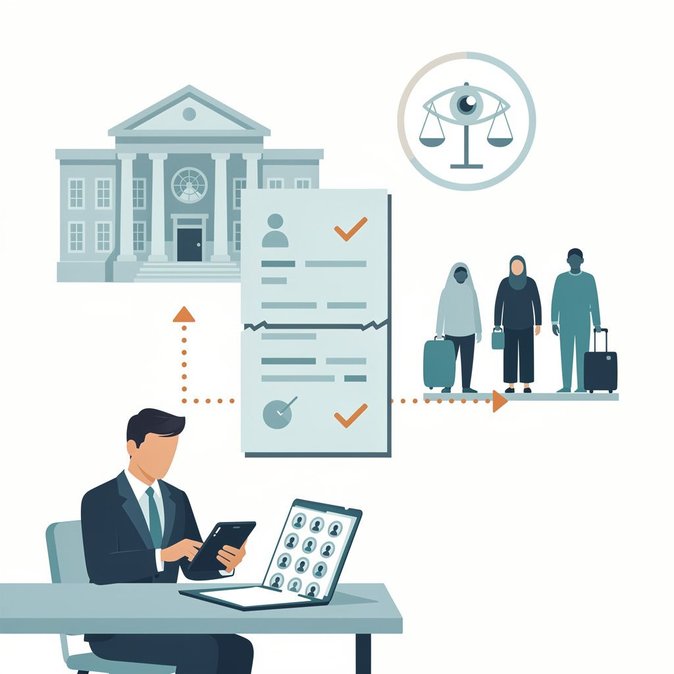
Report-stage amendments reshape notice-of-removal rules in Immigration and Asylum Bill
Government amendments published on 16 November add minimum notice periods and Ombudsman oversight to the Immigration and Asylum Bill. The two-stage ‘intention’ and ‘departure’ notices give migrants clearer timelines but may also speed up removals once appeals are lost, increasing the need for employers to maintain accurate contact data for sponsored staff.
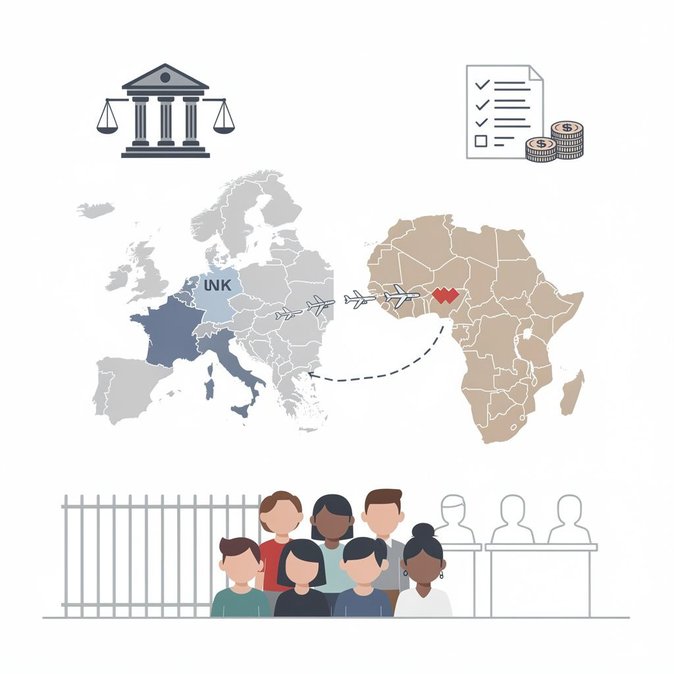
No 10 ‘watching with interest’ as EU prepares Rwanda return-hub plan
The government says it is keeping an ‘open mind’ on an EU proposal to send rejected asylum seekers to Rwanda, despite scrapping its own costly scheme in 2024. Any UK move to join would reignite legal, human-rights and budget questions and could indirectly affect detention capacity and visa-processing times for businesses.

DWP payment glitch puts international student’s UK leave to remain at risk
A Universal Credit IT defect is paying the higher one-bedroom housing rate to some claimants whose partners are barred from public funds, potentially breaching immigration rules. The DWP admits the flaw but says it cannot yet fix it, leaving migrants’ visas theoretically at risk until manual corrections are applied. Employers should note the compliance exposure if staff suddenly lose the right to work.
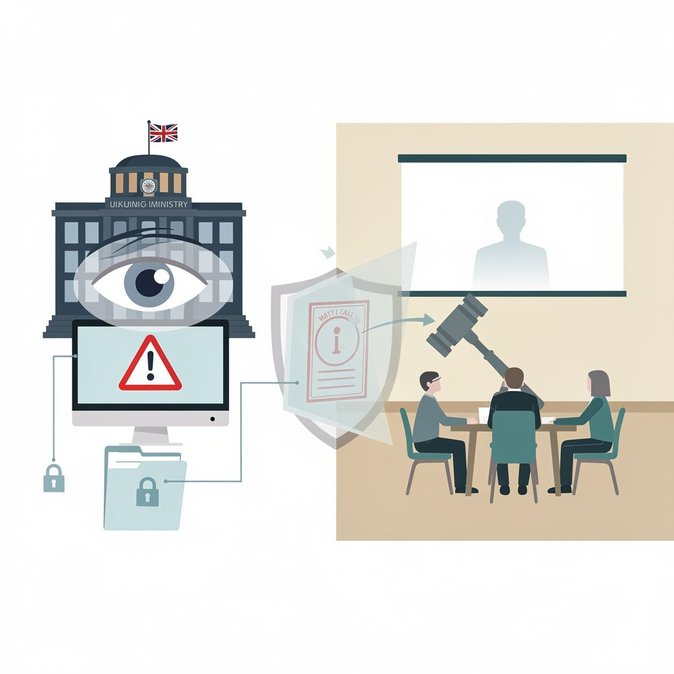
Home Office accused of pressuring council to cancel online talk after climate academic banned from UK
FOI disclosures show Home Office staff warned Hackney Council that an online event featuring banned academic Andreas Malm could breach anti-terror laws, prompting — then reversing — a venue cancellation. The row raises questions about how immigration powers may chill free speech and highlights new compliance risks for organisers inviting overseas speakers, even for virtual appearances.

Public Law Project Warns Cultural Bias Still Pervades UK Immigration Tribunals
The Public Law Project’s 16 November report finds UK immigration tribunals still apply culturally-biased credibility tests, disadvantaging LGBTQ+ claimants, trauma survivors and migrants from non-western family structures. Recommended reforms — including better judge training and flexible evidence rules — would shorten litigation and give employers more certainty over sponsored workers’ status.