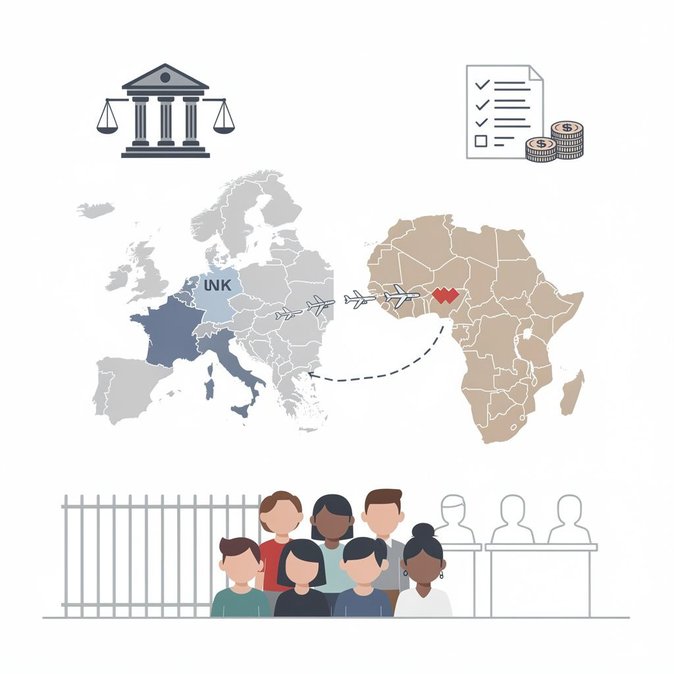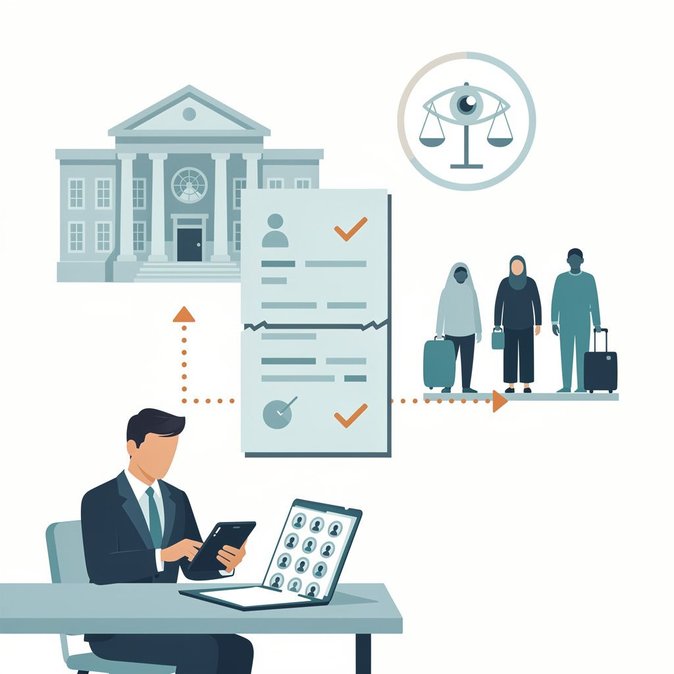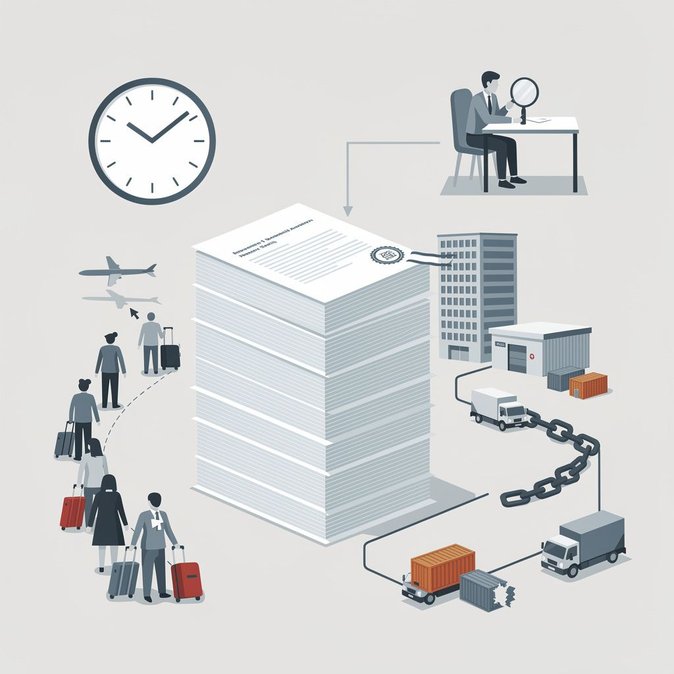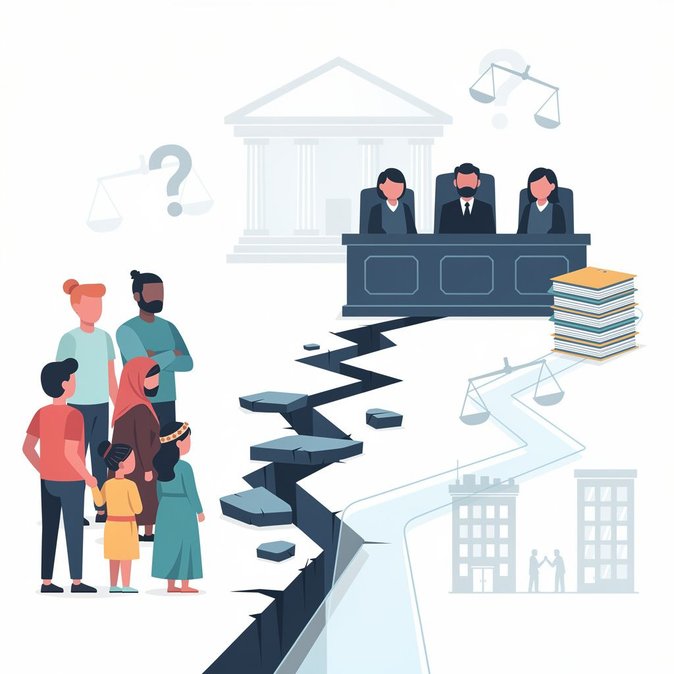
A new study released today by the Public Law Project (PLP) finds that applicants appearing before UK immigration and asylum tribunals continue to face systemic cultural, linguistic and procedural barriers that undermine fairness. Analysing 271 Upper-Tribunal decisions from 2023-25, plus direct observations of hearings and practitioner interviews, researchers conclude that many judges rely on western-centric assumptions about family life, LGBTQ+ identity and trauma, leading to credibility findings that are “at odds with real-world experience”. For example, the report highlights cases where same-sex relationships were discounted because couples lacked ‘western-style’ joint finances, or where asylum seekers were disbelieved for not providing a linear ‘coming-out’ narrative. It also notes a tendency to demand documentary evidence that simply does not exist in many source countries, effectively setting migrants up to fail. On mental-health claims, applicants who could not supply clinical diagnoses or who presented non-linear accounts of trauma were often deemed unreliable, despite well-documented effects of PTSD on memory. The PLP recommends mandatory cultural-competence training for judges, greater flexibility on evidential requirements and a trauma-informed approach to scheduling and questioning. It calls on the Home Office to revise tribunal guidance and on the Ministry of Justice to commission an independent review of interpreter quality. Why does this matter for employers and global-mobility teams? Tribunal quality directly affects the speed and certainty with which sponsored workers and their dependants can regularise their status if things go wrong. Delays caused by flawed credibility assessments inflate legal costs, extend right-to-work uncertainty and, in some cases, lead to the abrupt loss of valued talent. HR leaders should monitor how the Home Office responds and consider providing staff with access to cultural-sensitivity resources when preparing witness statements or personal evidence. Improved procedural fairness would reduce the number of appeals, free up judicial capacity and give businesses clearer immigration timelines — but without swift implementation the systemic frictions identified by PLP will continue into the next financial year.
Source: Electronic Immigration Network