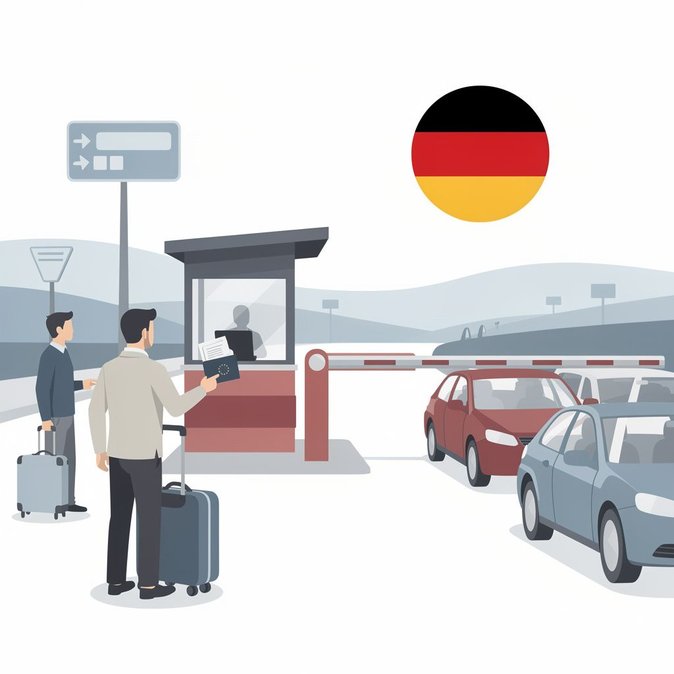
Australia’s Department of Foreign Affairs and Trade refreshed its Smartraveller advisory for Germany on 18 November, reminding travellers that temporary controls remain in place at all German land borders until at least 15 September 2027. Although Germany sits inside the Schengen Area, federal police are currently authorised to demand identification at crossings to Denmark, France, Poland, the Czech Republic, Switzerland, Belgium, the Netherlands and Luxembourg. The notice emphasises that business travellers should carry their passports—even on cross-border rail services—and plan extra time for spot checks that can delay itineraries. Carriers have also been told to verify documents before boarding, leading to occasional denial of rail or coach travel for passengers who assumed an ID card or driving licence would suffice. Berlin first reintroduced internal controls in 2024 citing secondary movements from the Western Balkans route and security incidents. While the measure has been extended several times, the European Commission tolerates prolongations only if justified by “serious threats to public policy or internal security.” A forthcoming Schengen Borders Code reform may tighten reporting requirements, but for now Germany is expected to maintain checks through the 2027 federal election cycle. Corporate mobility programmes should incorporate the advisory into pre-trip briefings, especially for employees attending trade fairs in Munich or Düsseldorf who may arrive by car from neighbouring states. Relocation providers are advised to remind new hires that routine stamping of passports at internal borders is not the norm; if it occurs, individuals should keep the entry stamp for future residence-title applications to prove lawful stay dates. Insurance implications are minimal, but companies offering leased vehicles should ensure green-card (international insurance) documents are on board, as police at smaller crossings increasingly request proof of coverage.