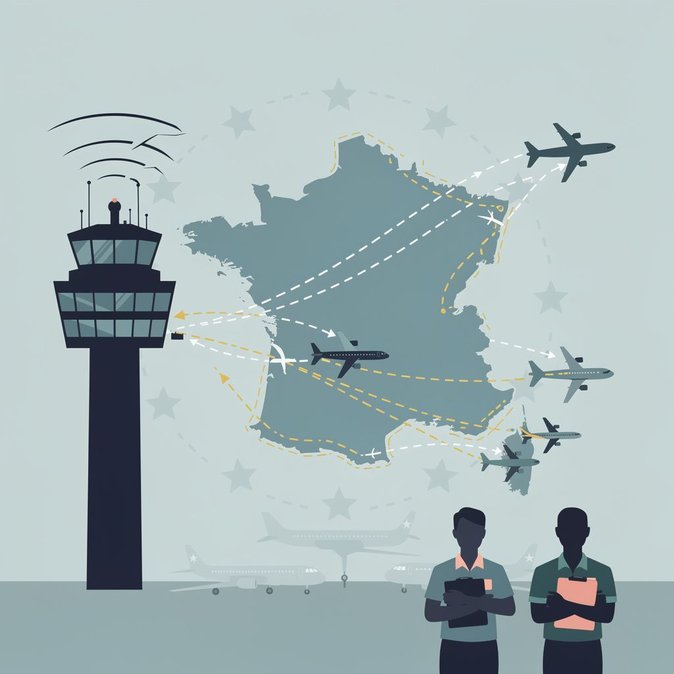
The controversial UK-France “one in, one out” pilot, under which the United Kingdom flew rejected asylum seekers back to France in exchange for France admitting an equal number of arrivals stopped on its own soil, came to an end on 17 November with a final charter flight from London Stansted to Paris Le Bourget. According to The Thursday Times, several passengers were being removed for the second time after re-entering Britain to escape people-smuggling gangs in Calais. Launched in May, the scheme aimed to test whether closely balanced transfers could deter Channel crossings without infringing international non-refoulement obligations. The Independent Chief Inspector of Borders and Immigration’s report, published last week, said the Home Office had supplied weekly metrics to Number 10 but still lacked criteria to judge success. French officials privately complain of “re-cycling” cases that add pressure to already stretched accommodation in Hauts-de-France. With the trial over, both governments are reviewing data ahead of January talks on a potential permanent accord that could include joint processing centres on the French coast. Human-rights NGOs have urged Paris to make any future deal conditional on better safeguarding measures and additional UK funding for reception facilities. For employers that rely on temporary workers who may have claimed asylum in the UK but later seek status in France, the end of the pilot removes an element of uncertainty. However, mobility teams should monitor negotiations, as a permanent swap mechanism could affect the timing and location of asylum decisions – and, therefore, the future workforce.
Source: The Thursday Times