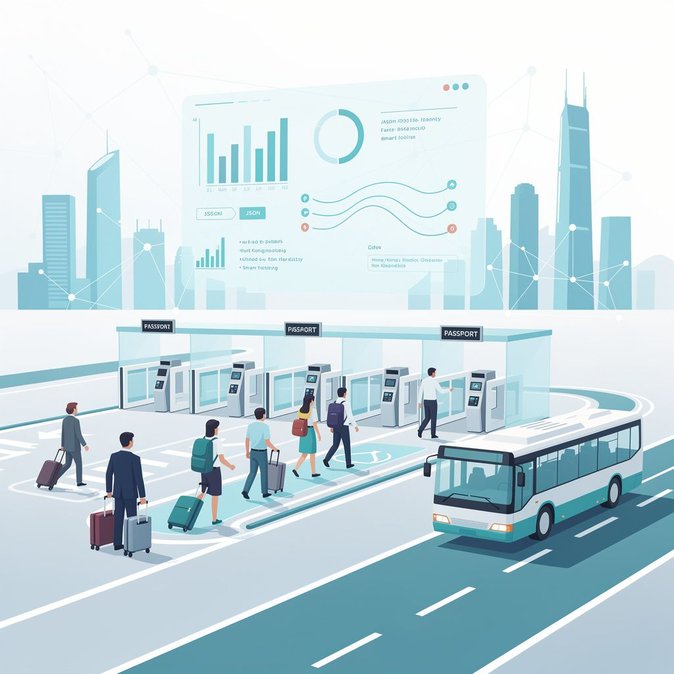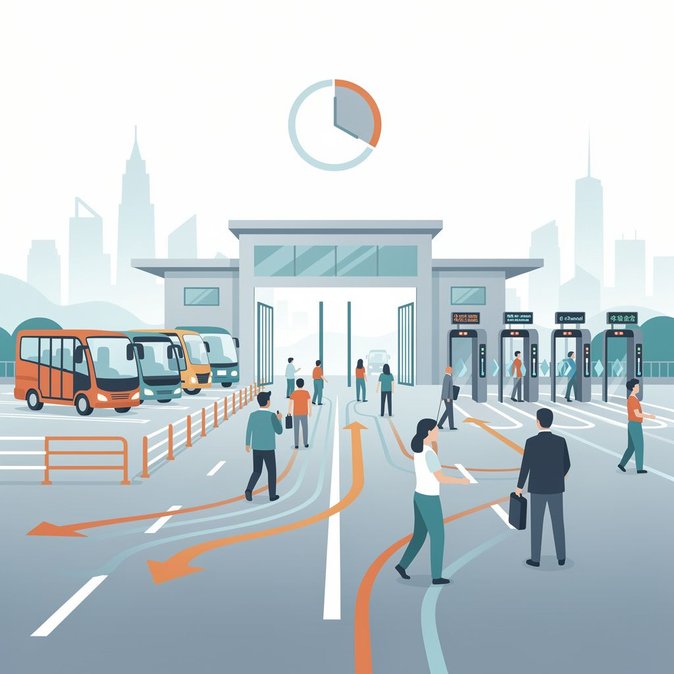
In a written reply to Hong Kong’s Legislative Council on 18 November, Acting Secretary for Security Michael Cheuk released the first comprehensive performance report on the redeveloped Huanggang Port, the 24-hour passenger hub that opened on 12 October under a “collaborative inspection and joint clearance” model with Shenzhen. The figures confirm a dramatic ramp-up: average weekday traffic has reached 88,000 passenger movements—double the volume handled by the old Lok Ma Chau checkpoint—while weekend and holiday flows soar to 142,000. Vehicle throughput in the first month exceeded 320,000 crossings. To prevent late-night gridlock after concerts and mega events, the government has extended a dedicated public-transport lane from Fanling Highway directly into the port, allowing franchised buses and cross-boundary coaches to bypass private-car queues. During peak periods police activate off-site holding areas for private cars and give priority to public transport vehicles. Inside the passenger hall, the Immigration Department has installed an additional e-Channel enrolment kiosk and deployed more service ambassadors, keeping average wait times under 15 minutes even when single-hour volumes top 10,000 travellers. Cheuk outlined tougher enforcement against illegal hire-car operations that have mushroomed since cross-boundary private-car quotas were relaxed. Offenders now face vehicle impoundment and revocation of Closed Road Permits in addition to fines and jail terms. The administration is also working with Shenzhen to schedule ad-hoc late-night openings of the Shenzhen Bay Control Point—normally closed at midnight—to relieve Huanggang during surges. For corporate mobility managers the update provides tactical intelligence. The new 24-hour facility has rapidly become the preferred crossing for late-shift factory supervision runs, retail inventory transfers and same-day talent shuttles. Employers should brief drivers to use the public-transport lane where eligible, pre-enrol employees for e-Channel to avoid manual queues, and budget extra transit time on weekends when volumes spike 60 percent. The report also signals long-term capacity gains: Sha Tau Kok Control Point will be rebuilt as a passenger-only crossing capable of handling 40,000 daily trips, easing pressure on Huanggang after 2029. Strategically, the smooth start-up of co-located clearance demonstrates the Greater Bay Area’s push toward seamless mobility. Once mainland visa policies align—Guangdong is piloting 144-hour visa-free entry for business visitors—Hong Kong-based multinationals will be able to rotate staff across the border with minimal friction, strengthening the city’s role as a regional mobility hub.