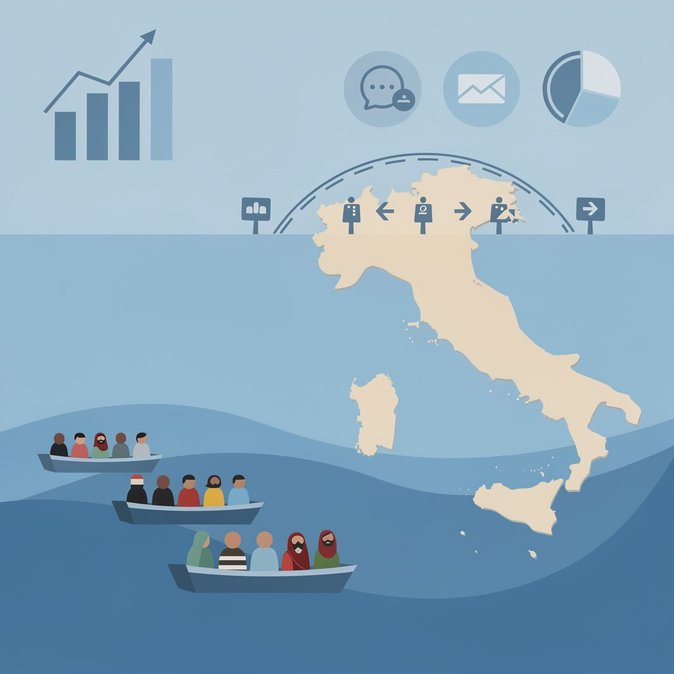
Fresh figures released on 18 November show that 28,460 migrants have landed on Italian shores since 1 January—almost identical to the same period last year but with significant shifts in origin countries. Bangladesh is now the most represented nationality at 6,348 arrivals (22.3 per cent), overtaking Algeria and Somalia, according to the Interior Ministry dashboard cited by Catholic news agency AgenSIR. Other sizeable groups include Algerians (3,663), Somalis (3,113), Eritreans (3,067) and Sudanese (2,153). The diversification complicates reception planning, as each nationality entails different asylum-recognition rates, language support and voluntary-return options. Operations at hotspot facilities on Lampedusa and in Calabria remain below crisis levels but officials warn that winter weather will not necessarily curb departures given the resilience of Libyan and Tunisian smuggling networks. From a corporate-mobility perspective, the new composition matters because work-permit conversion programmes such as the “Protection Speciale → Lavoro” pathway require specific national-level bilateral accords and training funds. Employers looking for entry-level talent in logistics, agriculture and shipbuilding may find Bangladeshi applicants more readily available in 2027, provided they clear asylum backlogs. The data release also serves as a reminder that Schengen internal-border checks with Slovenia—currently extended until 18 December—remain justified in Rome’s view by security concerns linked to Balkan transit flows. Companies moving staff by road between Trieste and Ljubljana should continue to budget extra time for ID inspections.
Source: AgenSIR