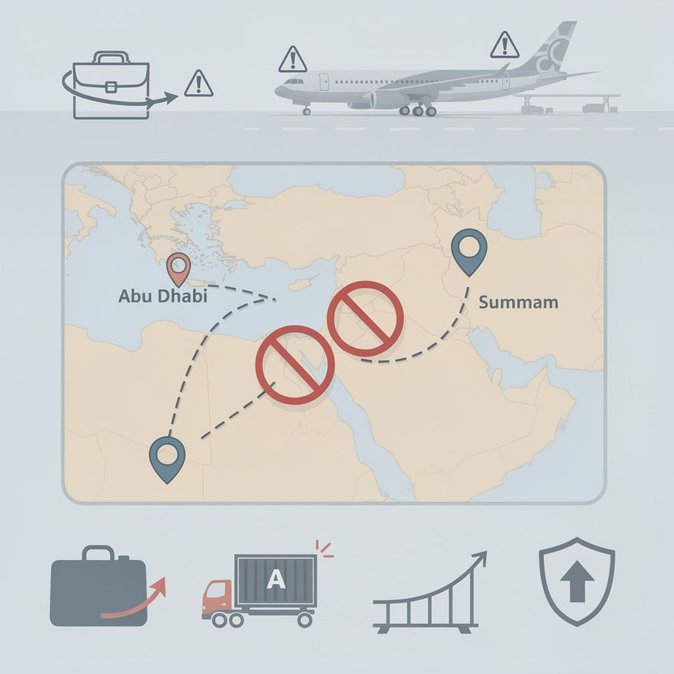
A roundup by The National on 19 November shows just how fragmented the recovery of Saudi air links has become. While Etihad’s Riyadh and Dammam services are now off the timetable until 30 November, flydubai has pushed Riyadh and Abha flights back to 27 November but quietly reinstated Dammam rotations. Emirates continues to fly daily to Jeddah yet keeps Riyadh and Dammam on hold, and Air Arabia has restored Taif and Dammam but not Abha. Outside the Gulf, European and Asian carriers are even more conservative. British Airways has postponed its long-planned Heathrow–Riyadh relaunch to 11 January 2027, KLM has shut Riyadh and Dammam until 27 December, and Singapore’s Scoot has extended its Jeddah suspension to the end of February 2027. The uneven patchwork reflects route economics as much as geopolitics. Industry analysts note that airlines with sizeable connecting hubs in Dubai or Abu Dhabi have more flexibility to redeploy aircraft, whereas point-to-point operators prefer to wait for a more stable security outlook before resuming. For UAE-based corporations the message is clear: published ‘restart’ dates should be treated as provisional. Travel teams should secure change-fee waivers now and monitor security advisories from the UAE General Civil Aviation Authority (GCAA) and the Saudi General Authority of Civil Aviation (GACA). Employers are also advised to review insurance cover for staff transiting conflict-affected airspace, as many corporate travel policies exclude war-risk events. The longer-term concern is capacity. If multiple carriers stay away into 2027 the shortage of Saudi seats could inflate fares and complicate project staffing, particularly in energy, construction and defence — sectors where Gulf talent flows are already stretched.
Source: The National