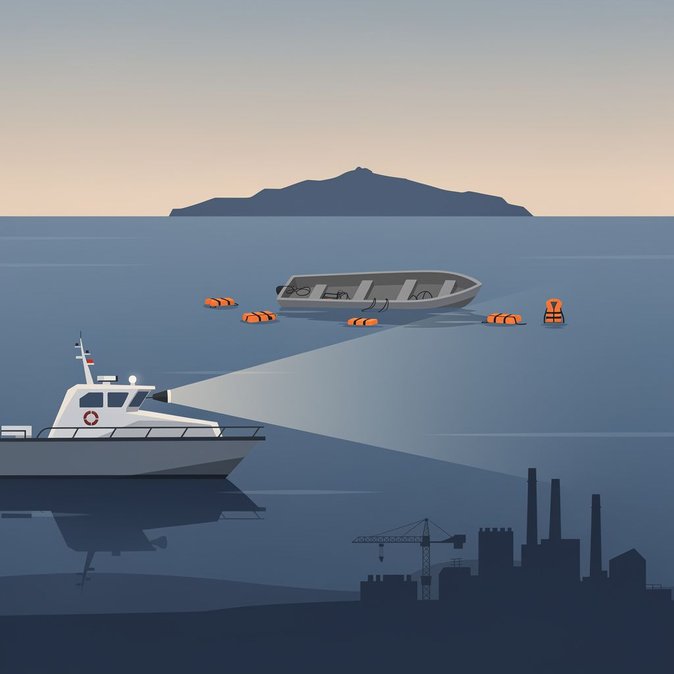
Search-and-rescue teams operating out of Lampedusa were scrambled in the early hours of Thursday, 19 November, after a seven-metre wooden boat carrying 51 migrants capsized five nautical miles south of the Sicilian island. Fifty people were pulled from the water, but a six-year-old Ivorian girl remains missing, according to coast-guard officials quoted by the ANSA news agency. The tragedy comes amid a seasonal uptick in departures from Tunisia’s Sfax region and places renewed pressure on Italy’s reception system. Government statistics show more than 168,000 irregular arrivals so far in 2026—already 12 percent above the same period last year—despite Rome’s attempts to outsource processing to centres in Albania and tighten visa channels for so-called economic migrants. Interior-minister Matteo Piantedosi expressed condolences but defended the government’s policy of temporary internal border checks with Slovenia and expanded joint patrols with Tunisia, arguing that “smugglers continue to gamble with human lives.” Human-rights groups counter that restrictive visa pathways push desperate families toward dangerous sea routes and called for wider humanitarian-corridor quotas. For corporate mobility programmes, the incident underlines heightened scrutiny at Italian ports and airports. Employers moving non-EU nationals into Italy should expect more frequent document inspections and possible delays at land borders, especially along the north-east corridor where controls remain in force until at least 18 December. Companies operating in the humanitarian, maritime or logistics sectors should refresh duty-of-care assessments for staff deployed to Sicily and the Pelagie Islands. The capsizing is also likely to accelerate parliamentary debate on the government’s proposed “security decree,” which would lengthen detention periods in repatriation centres and further curtail the special protection permits often used by employers to regularise migrant workers already in Italy.
Source: ANSA English Service