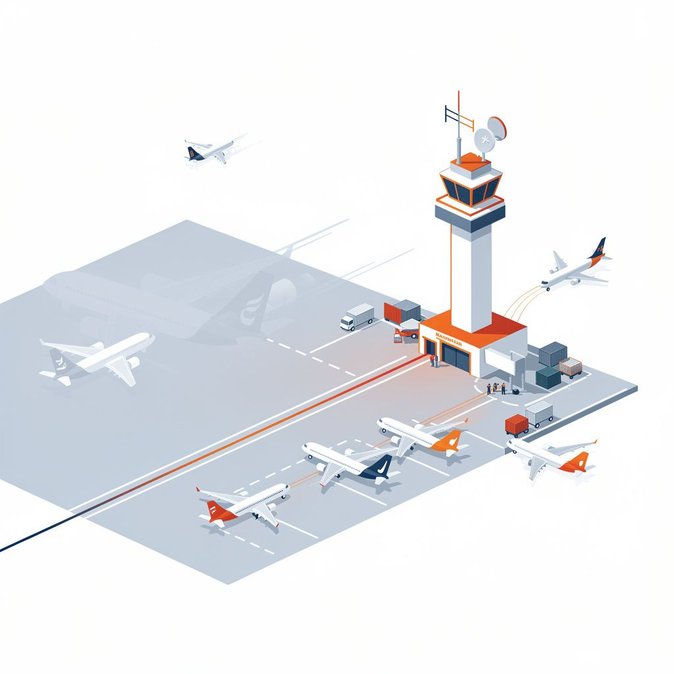
Italy’s aviation outlook for the weekend has improved after state air-navigation provider ENAV cancelled the four-hour nation-wide air-traffic-control (ATC) strike initially slated for Saturday 21 November. The decision—communicated to the Transport Ministry during talks concluding late on 18 November and published on specialist strike-tracker feeds early on 19 November—ends days of uncertainty for carriers that had pre-emptively blocked seat sales on almost 900 domestic and intra-EU sectors. Alitalia successor ITA Airways immediately reinstated 76 flights, while Ryanair and easyJet opened wait-lists pending slot confirmation from Eurocontrol’s Network Manager. Not all disruption has evaporated. ENAV confirmed that its Malpensa Tower unit will walk out on Sunday 22 November between 13:00 and 17:00 local time under a separate labour dispute led by the FAST-Confsal AV union. The stoppage affects only Milan’s intercontinental gateway, but because Malpensa handles nearly 38 percent of Italy’s long-haul bellyhold cargo, ripple effects could extend to connecting freight itineraries through Rome and Liege. Passenger-flight impact will depend on tactical flow-management measures; operators of wide-body services to New York, Seoul and Dubai have been asked to consider slight schedule shifts to avoid peak hours. Under Italian strike rules, ‘fasce protette’ guarantee the operation of several departure and arrival windows. ENAV stated that departures scheduled between 07:00–10:00 and 18:00–21:00 will be protected, as will incoming medical, humanitarian and State flights. Airlines retain discretion over which rotations to cancel outright and which to delay. Travellers connecting onto Sunday evening US departures should check for re-ticketing options, while shippers of perishables have been advised to notify forwarders if cargo holds miss the protected slots. The last-minute cancellation of the national strike underscores Italy’s volatile labour calendar. ENAV and union representatives agreed to reopen talks on workforce rostering and mandatory rest-period calculations aligned with the Single European Sky ATC Fatigue Standard. The Transport Ministry’s mediation includes provisions for an independent study into staffing at regional towers. For corporate-travel managers, the message is clear: monitor localised strikes even after national actions are lifted. Flight waiver policies differ by carrier; some airlines will swap tickets free of charge only once. Employers should keep employees informed through real-time apps and remind them that, for Schengen connections, boarding may be denied if the onward segment becomes an ‘irregular operation’ outside protected hours.
Source: Airspace Times / StrikeTracker