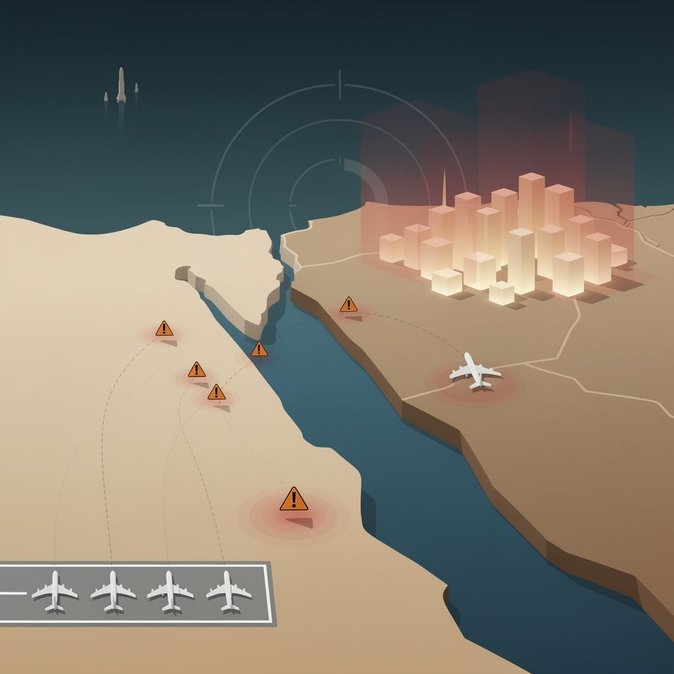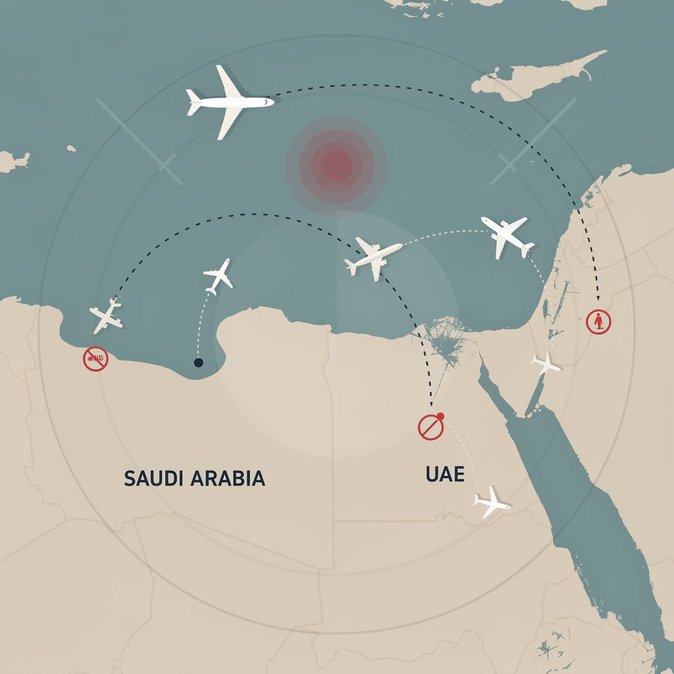
Airlines serving the United Arab Emirates have issued a new round of schedule changes after Houthi missile attacks on Riyadh prompted Saudi authorities to extend air-space restrictions through 30 November. Gulf News’ 20 November aviation bulletin shows Etihad has cancelled all Abu Dhabi–Riyadh and Abu Dhabi–Dammam services for the rest of the month, while flydubai, Emirates and Air Arabia are running patchwork timetables on Saudi routes. Regional knock-on effects include suspended codeshares, re-routed cargo flights and longer block times on Europe-bound services that now skirt restricted zones. The UAE’s General Civil Aviation Authority also continues to ban Iranian carriers, and direct Dubai-Tel Aviv passenger flights remain suspended by Emirates and flydubai. Corporate travel managers should reconfirm itineraries, particularly multi-sector tickets routed through Riyadh, and warn employees to arrive at UAE airports at least three hours before departure. Travellers booked on affected sectors have the usual options of fee-free re-booking or refunds, but seat availability is tight as winter peak season approaches. Companies with time-sensitive assignments may need to transit via Muscat, Doha or Kuwait, adding extra travel-permit requirements for some nationalities. Security analysts note that EASA has prolonged its Gulf conflict-zone advisory until 31 January 2027; insurers are already applying war-risk premiums on flights over parts of Bahrain, Kuwait and Qatar. Mobility teams should therefore review travel-insurance wordings for exclusions linked to “state versus non-state actors” and confirm whether additional coverage is required. Practically, HR teams should update risk assessments, keep employee contact details current and remind staff to monitor airline apps for push notifications. Where possible, schedule remote work or hybrid kick-off meetings until flight patterns stabilise in December.
Source: Gulf News