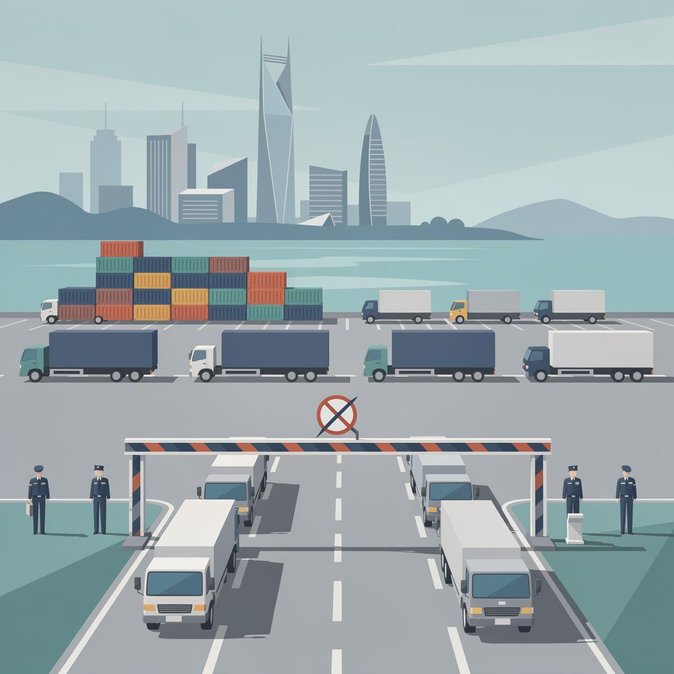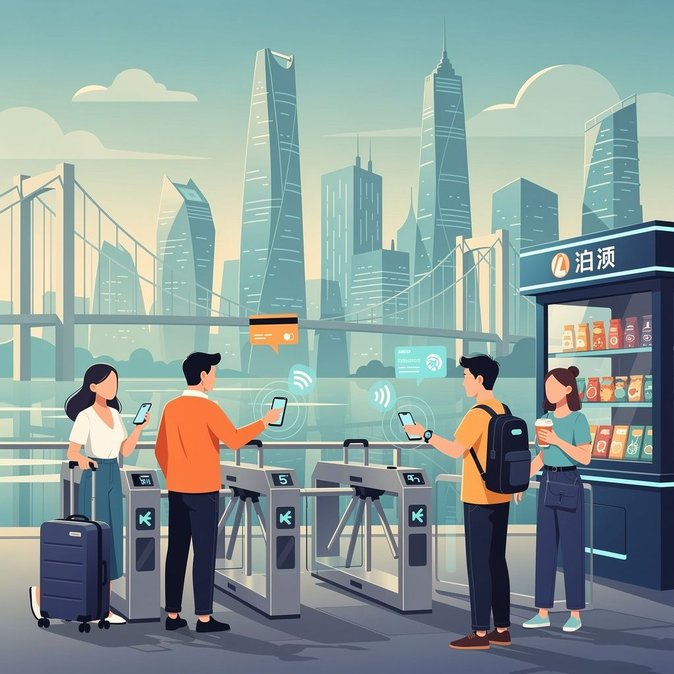
In a wide-ranging speech to fellow leaders on 19 November, President Xi Jinping devoted an entire pillar of his vision for an Asia-Pacific community to what he called “upgraded connectivity.” Beyond hard infrastructure, Xi singled out three mobility items: smarter customs, deeper cross-border payment cooperation and “convenient travel for businesspeople and tourists.” Officials later clarified that Beijing will prioritise digital arrival-card expansion, automated-gate retrofits at land ports with Hong Kong and Macao, and broader acceptance of foreign bank cards and wallets in public transport. The reference to payments is significant: multinational employers consistently cite digital-payment barriers as a practical headache for assignees arriving in China. Xi also announced a US$20 million fund to support APEC-level capacity-building, with part of the money earmarked for a new research centre in Shenzhen studying mobility bottlenecks. Policy scholars point out that the speech provides top-level cover for agencies such as the People’s Bank of China and the NIA to keep liberalising. “When the president folds cross-border people-to-people links into national strategy, it becomes politically safe for regulators to relax,” said Professor He Wei of Tsinghua University’s Institute of International Relations. For businesses, the message is that China’s leadership wants smoother entry procedures and interoperable payment rails but will roll them out incrementally—often city by city—so travel managers should track local pilots closely before changing internal guidelines.
Source: People’s Daily