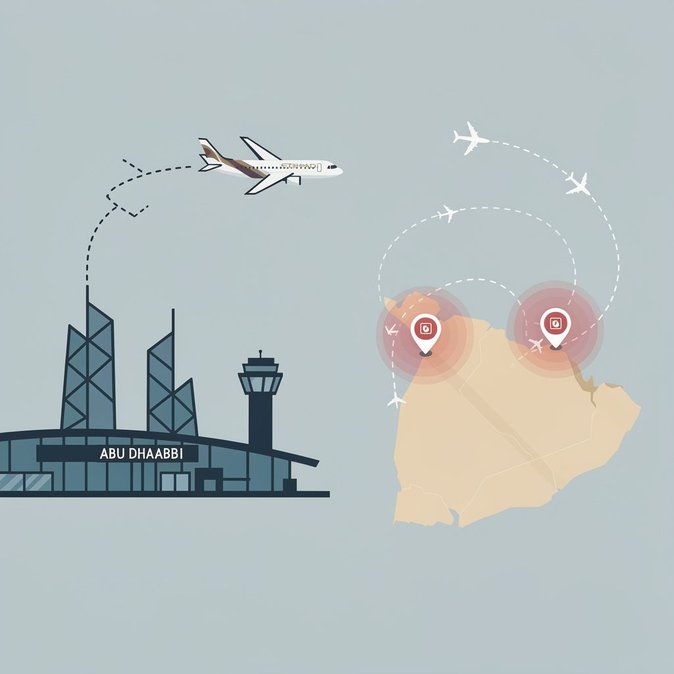
Etihad Airways has pushed back the planned resumption of its Abu Dhabi–Riyadh and Abu Dhabi–Dammam services to at least 30 November 2026, citing the continued risk of drone and missile attacks on Saudi civilian airports. The extension—confirmed in a 12:13 GST advisory on 20 November—adds ten more days of disruption for corporate travellers who routinely shuttle between the two Gulf capitals. While Abu Dhabi International Airport (AUH) remains fully operational, the airline said crew-safety protocols prohibit overflying areas the EU Aviation Safety Agency (EASA) lists as high-risk. The move aligns Etihad with other global carriers—including Lufthansa Group, Air India Express and IndiGo—that have halted Saudi services over the past week. Business-travel managers are scrambling to reroute staff via Dubai, Kuwait or direct charters into Bahrain, pushing up average fares on those sectors by 18 percent, according to travel-management company AMEX GBT. Oil-and-gas contractors with rotation cycles through Dammam’s King Fahd International Airport are the most affected; several firms told Gulf News they are activating contingency housing for crews delayed in Abu Dhabi. Etihad is offering rebooking or refunds without fees, but warns that forward capacity is tight because many seats are now reserved for passengers displaced from Riyadh and Dammam services. The airline has not ruled out further extensions if regional security deteriorates. Travellers are urged to check flight status on etihad.com before departure and to build in extra connection time if transiting through other GCC hubs.
Source: Gulf News