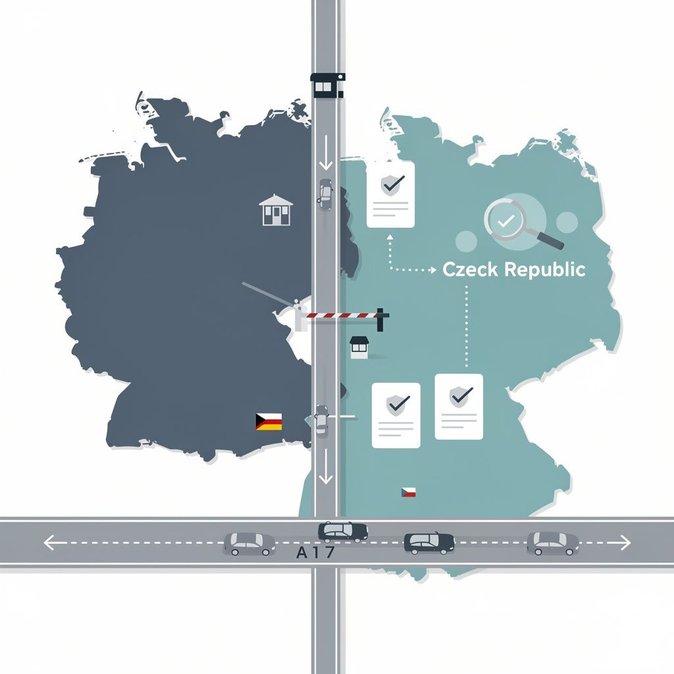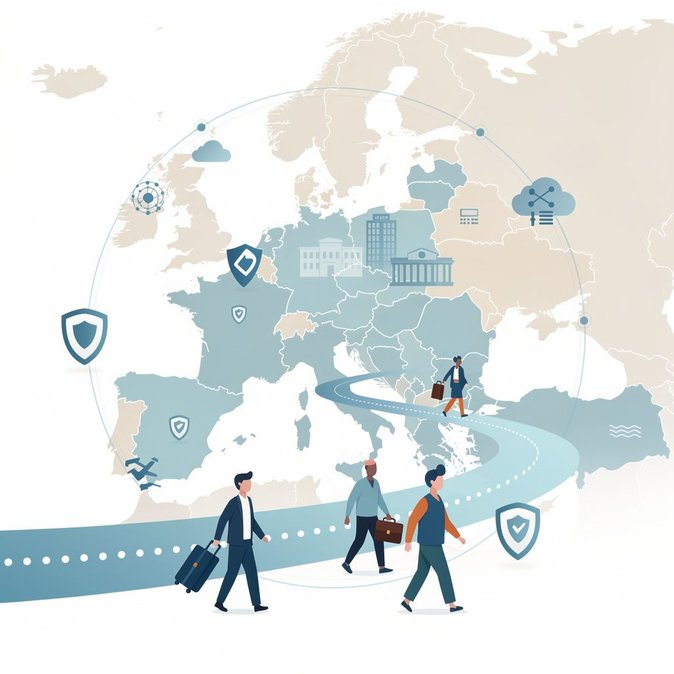
Senior officials from 33 countries, the European Commission, EU agencies and international organisations gathered in Prague on 10–11 November 2026 for the second preparatory meeting ahead of the 5th Prague Process Ministerial Conference. A detailed read-out of the meeting was published on 20 November 2026, outlining how participating states intend to deepen cooperation on migration governance through 2032. Hosted by the Czech Ministry of the Interior, the forum reviewed progress under the Process’s four pillars—Dialogue, Migration Observatory, Training Academy and Thematic Components—and endorsed a draft Action Plan 2028-2032. Delegates praised initiatives such as Migrant Resource Centres in Central Asia and Ukrainian Community Centres in EU states, calling for stronger links between political dialogue and operational projects. For Czechia, the meeting cements its role as convener of one of Europe’s most influential regional migration dialogues. The forthcoming Ministerial in January 2027 will take place under the incoming Lithuanian EU Presidency and is expected to issue a declaration emphasising protection-sensitive management, digital innovation and resilience to geopolitical shocks. Mobility managers should watch for commitments that could translate into streamlined data-sharing, capacity-building programmes and new avenues for legal labour mobility within participating states. Businesses with operations across Central and Eastern Europe stand to benefit if the Action Plan delivers on promises of more predictable procedures and improved cross-border coordination. However, officials also stressed fundamental-rights safeguards and non-refoulement, signalling that enforcement measures will be balanced with protection obligations. The final ministerial text will clarify timelines and funding arrangements, but the direction of travel points to closer policy harmonisation—good news for companies moving talent around the region.
Source: Prague Process