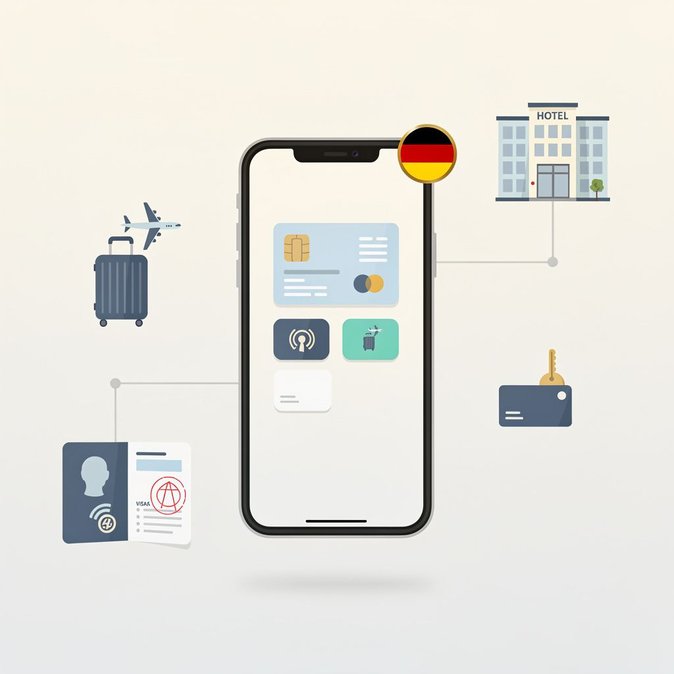
Also on 20 November 2026 the Bundesrat waved through the Digital Identity Act (Digitale Identitäten-Gesetz, DIdG), the final legislative step needed for Germany to join the European Digital Identity (EUDI) framework. The Act provides the legal underpinnings for “d-you”, Germany’s implementation of the EUDI Wallet, scheduled to launch in early January 2027 with 40 public- and private-sector partners. The EUDI Wallet will allow residents to store a ‘digital twin’ of their ID card on a smartphone and to add other credentials—from driving licences and birth certificates to hotel check-in forms and even Schengen visa proofs. Users will be able to share only the data points required (for example confirming they are over 18 without revealing their address), enhancing privacy while streamlining verification. The system meets the EU’s highest assurance level (“hoch”) and remains voluntary; traditional ID documents stay valid. For globally mobile staff the implications are tangible. Immigration lawyers expect most Ausländerbehörden to accept the mobile eID as proof of identity during online residence-permit renewals by mid-2027. Airlines and hotel chains piloting the International Air Transport Association’s ONE ID programme say that German passengers carrying the wallet may soon be able to pass airport checkpoints without showing a physical passport on intra-Schengen legs. Employers anticipate smoother onboarding of foreign hires who will be able to sign contracts and open bank accounts remotely once their wallet is activated. However, IT and HR departments must ensure that their systems can consume the wallet’s verifiable credentials. Data-protection officers will need to audit how HR platforms request, store and delete the minimal data sets. The federal government has promised open-source reference software and an interoperability sandbox in December to accelerate integration.
Source: Bundesregierung