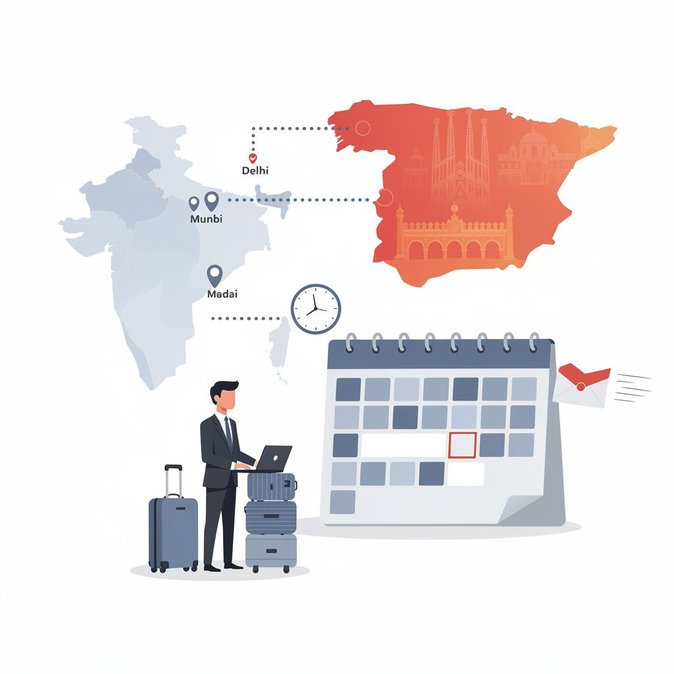
Travellers planning trips to Spain and the wider Schengen area will not need to apply for the long-awaited European Travel Information and Authorisation System (ETIAS) any time soon. Independent compliance tracker Viaryo, which monitors the European Commission’s official pages daily, reported on 20 November that Brussels has erased the "late 2026" go-live window from its website, replacing it with a notice that ETIAS is “not in operation and no applications are being collected”. The shift follows technical delays to the underlying Entry/Exit System (EES) and comes despite earlier communications pointing to a fourth-quarter 2026 start and a €20 fee. Although EU agency eu-LISA says ETIAS will be a "major focus for 2027", the Commission has not set a new timetable, leaving airlines and border-control authorities without a deployment deadline. For mobility managers the practical takeaway is that visa-exempt nationals – including UK, US, Canadian and Australian citizens – will continue to enter Spain with a passport alone for at least another year. Companies should, however, keep ETIAS on their compliance radar: once operational, employees on short business trips will need to hold an approved authorisation valid for three years or until passport expiry. Travel-technology providers meanwhile face renewed uncertainty over system integration and carrier liability rules, which depend on the final legal acts accompanying ETIAS activation. The delay also knocks on to Spain’s tourism sector: hoteliers had banked on early data-sharing via ETIAS to target marketing at high-value repeat visitors. Until a firm start date is announced – the Commission promises several months’ notice – businesses should disregard third-party sites offering paid "early" ETIAS applications, all of which are currently fraudulent.
Source: Viaryo