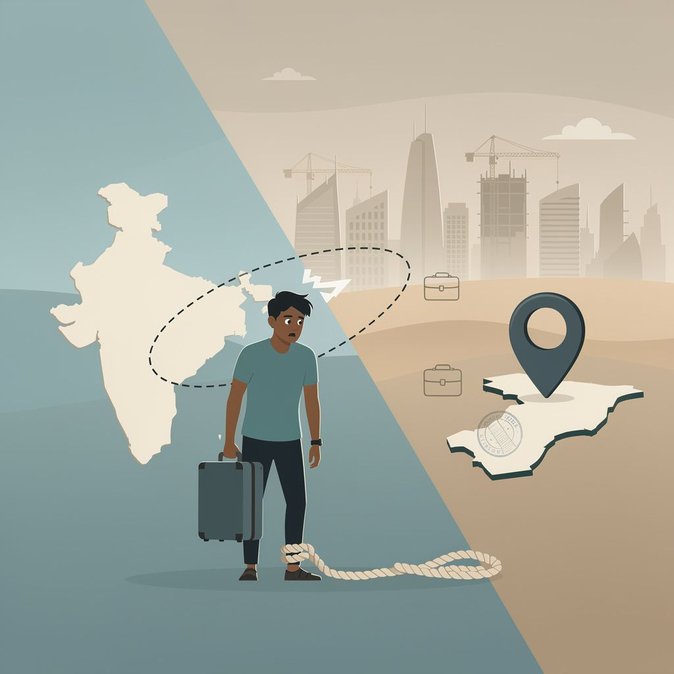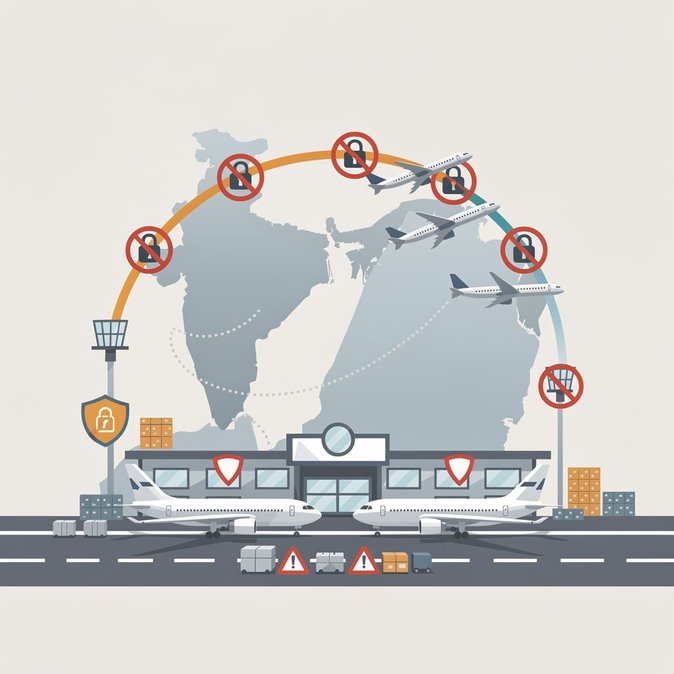
Air India and its low-cost subsidiary Air India Express have prolonged their suspension of services to three key Saudi gateways—Jeddah, Riyadh and Dammam—citing an “evolving regional security situation.” The flag-carrier confirmed late on 20 November that Jeddah flights will remain halted until 24 November, while Riyadh and Dammam links are frozen until at least 30 November 2026. Eligible passengers may rebook once without charges or claim full refunds. Although the airlines did not single out a specific threat, industry sources point to repeated missile and drone attacks on Saudi infrastructure blamed on Yemen’s Houthi rebels. Indian carriers first curtailed operations on 14 October after aviation insurers hiked premiums for over-flights, triggering a domino effect across Gulf traffic flows. Flights between India and Saudi Arabia normally carry large volumes of VFR (visiting-friends-and-relatives) travellers, Umrah pilgrims and project workers; nearly 2.3 million passengers used the route in FY 2025-26. Corporate mobility managers have been urged to re-route staff via Dubai, Doha and Bahrain, adding one to three hours to typical door-to-door journey times. Forwarders handling pharmaceutical and time-critical perishables have also reported capacity shortages in the Delhi–Jeddah lane, with spot rates surging by up to 18 percent, according to CAPA India data. Analysts say the episode underlines the need for firms to build ‘Middle-East contingency’ clauses into India-origin travel policies. Short-notice suspensions now regularly follow geopolitical flashpoints—from the Israel–Hamas war to Red Sea piracy—making robust traveller-tracking and duty-of-care protocols essential. Looking ahead, operators will review the suspension again next week. Should hostilities escalate, India’s Directorate-General of Civil Aviation (DGCA) may activate bilateral rescue charters as it did during COVID-19. Until then, mobility planners should secure alternative lift early, monitor DGCA NOTAMs and keep employees apprised of local curfews and insurance limitations.
Source: India Today