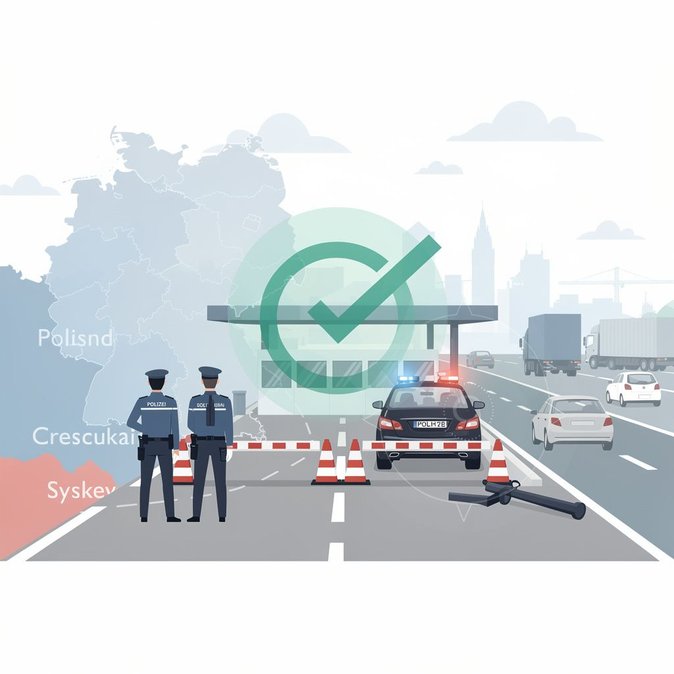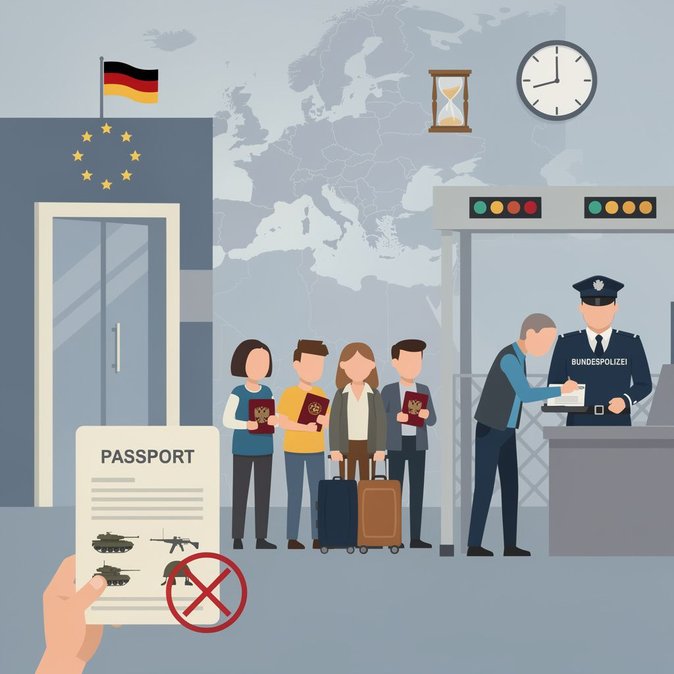
The European Commission on 23 November 2026 adopted detailed guidelines that activate an EU-wide visa ban on anyone who is currently serving or has served in Russia’s armed forces since the invasion of Ukraine. The document instructs member states—Germany included—to apply “very strict” scrutiny to all Russian nationals at consulates and at external borders, and to refuse Schengen visas to identified combatants, Russian athletes competing under national symbols, and state-sponsored cultural performers. Under the guidance, German consulates must introduce a supplemental questionnaire on military service, may demand supporting documents such as military booklets, and are told to treat non-biometric Russian passports as high-risk. At the border, the Federal Police (Bundespolizei) will be expected to conduct systematic SIS fingerprint checks and record refusals of entry so that flagged individuals cannot re-enter via another Schengen crossing. The Commission emphasised that humanitarian exceptions still apply for dissidents and forced passport-holders, but Berlin’s mobility teams anticipate a surge in complex case-by-case assessments. Travel-management companies are already warning German corporates that tourist and business visas for Russian nationals will take longer and face a higher refusal rate. For Germany’s export-oriented firms, the move could complicate participation of Russian partners in trade fairs and training programmes. Companies hosting Russian talent will need to budget extra lead time, verify that invitees have never been mobilised, and prepare for enhanced documentation demands. Conversely, the tougher stance may ease security concerns around sensitive industrial sites and dual-use technologies. Implementation now shifts to Berlin and Germany’s overseas missions. The Federal Foreign Office confirmed it is updating its visa-processing IT to include the new military-service flags and expects frontline staff to receive instructions “within days.”