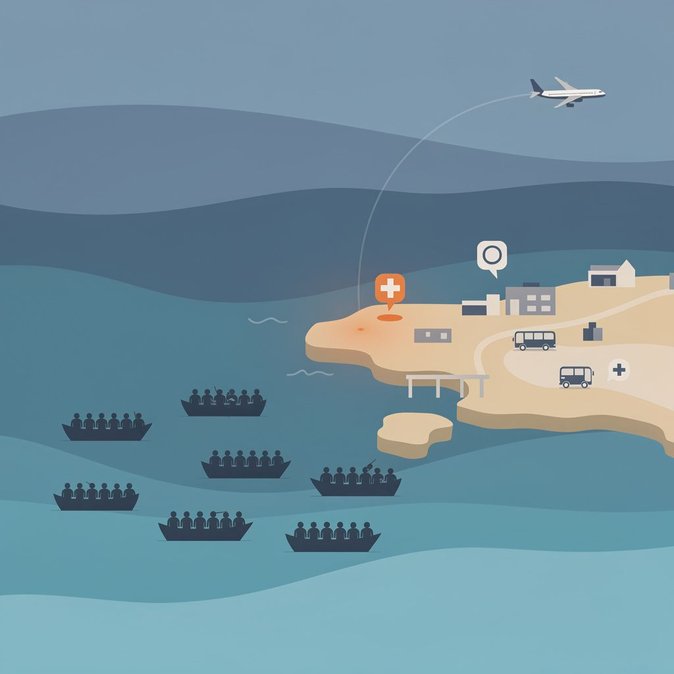
Maritime Rescue authorities brought almost 1 300 people ashore in El Hierro on 24 November after intercepting eight wooden ‘cayuco’ boats launched from Senegal and Gambia. The surge follows 800 arrivals on Monday and 425 on Sunday, suggesting another spike on the Atlantic route as calmer seas return. Canary Islands president Fernando Clavijo renewed calls for a bigger Frontex presence in West African departure points and for extending aerial surveillance beyond the current 20 December cut-off. Madrid countered that cooperation with Senegal intercepted five boats on Monday alone, but admitted reception centres are once again near capacity. The inter-ministerial migration commission met in the capital and agreed to keep emergency transfers of unaccompanied minors to mainland regions until at least July 2027. Although the arrivals concern humanitarian migration rather than corporate mobility, the operational strain has knock-on effects: rescue assets are diverted from commercial-shipping SAR cover, medical facilities in El Hierro face overload, and inter-island flights can be rescheduled to accommodate transfer charters. Business travellers to the archipelago should therefore monitor local flight updates and allow longer connection times. For global mobility teams with staff on assignment in the Canaries, the episode is a reminder to maintain emergency-response plans that include medical and security contingencies during sudden migration surges. Companies may also face renewed political debate about Spain’s wider immigration infrastructure, which could shape future residence-permit processing priorities.
Source: El País