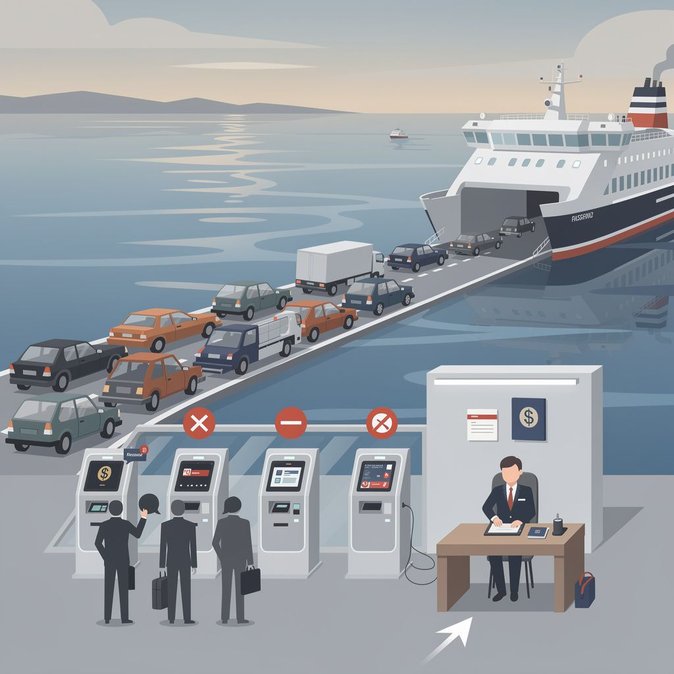
Just five weeks before full roll-out of the Schengen Entry/Exit System (EES), French ferry companies say the technology simply ‘doesn’t work on wheels’. Speaking at the Assises de l’Économie de la Mer in Montpellier on 24 November, Brittany Ferries chairman Jean-Marc Roué warned that EES kiosks designed for airport foot passengers are unfit for car-based ferry traffic on Channel routes. Tablet-based mobile enrolment trials have been plagued by connection failures, according to DFDS France chief Rémi Bocquillon, while Corsica Linea reports that data captured on deck never reaches Border Police booths ashore. Under EES, all non-EU passengers must give fingerprints and a facial image at first Schengen entry. Ports such as Roscoff, Saint-Malo and Cherbourg were supposed to install drive-through kiosks, but many remain ‘under cellophane’. Operators fear turnaround times could quadruple to four hours, jeopardising tight sailing schedules and competitive parity with the Channel Tunnel. Thales, which supplied the hardware, insists systems are “operational” and says ‘adjustments’ are normal for a project of this scale. Yet sources confirm that a series of live tests scheduled since April never took place. Faced with mounting evidence of technical dysfunction, the European Commission quietly approved an extraordinary French request to keep manual passport stamping until 31 December 2026, giving Paris a final breathing space before automatic checks become mandatory on 1 January 2027. Business travellers should expect continued manual inspection—and possible queuing—through the busy Christmas period, but the reprieve avoids an immediate meltdown at maritime borders. Airlines remain unaffected; most French airports have run EES for third-country nationals since April, albeit with longer wait times during peak waves. For corporate mobility teams, the key takeaway is to pad Channel-ferry itineraries by at least 60-90 minutes and warn travelling staff that last-minute biometric snags may still emerge once the system goes live next year. Mobility suppliers are advising firms to favour the Tunnel or air links for time-critical movements until the ferry solution is proven. Meanwhile, companies with U.K.-France commuter flows should keep records of every manual stamp: once EES activates, overstays will be calculated automatically and prior exit proofs could be essential to dispute alerts. The episode also underlines a broader risk as Europe digitises its borders: solutions optimised for airports cannot be copy-pasted to seaports or land crossings without bespoke engineering. France’s late-stage waiver is a cautionary tale for other Schengen states racing to retrofit EES at mixed-mode border points before the 2027 hard deadline.
Source: Marine & Océans / AFP
How VisaHQ can help
VisaHQ simplifies the visa application process for individuals and businesses. Check current travel requirements, prepare the required documents and manage your application online through the VisaHQ France portal.More From France
View all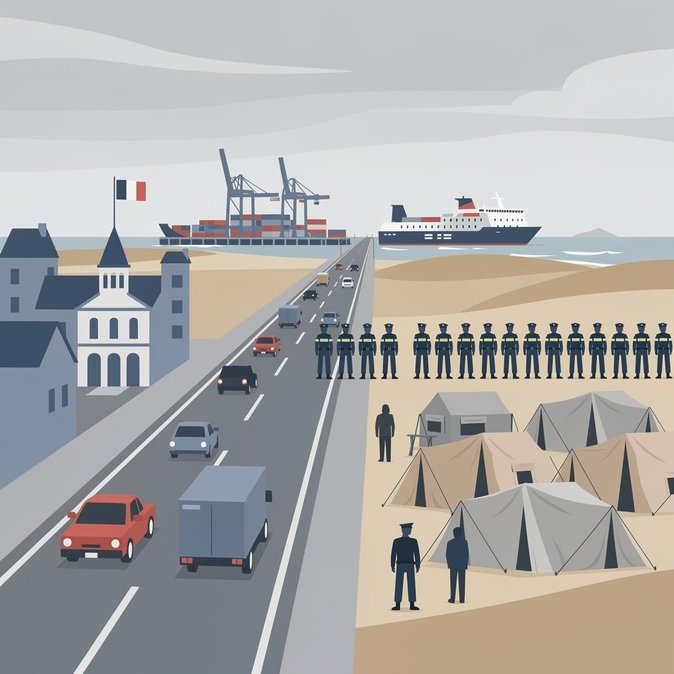
Government pledges to dismantle Calais Virval camp as migrant numbers surge to 6,000 on Channel coast
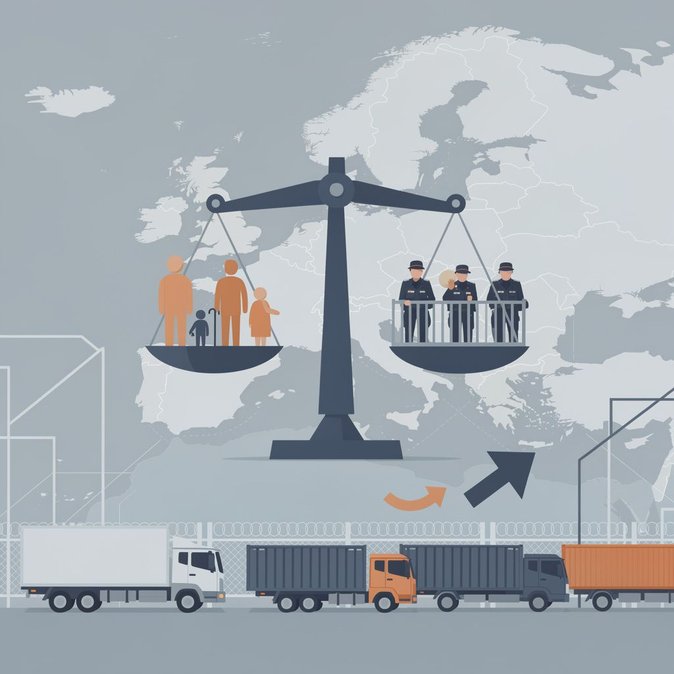
ECHR green-lights limited migrant pushbacks in ‘instrumentalisation’ cases, sending shockwaves through French asylum circles