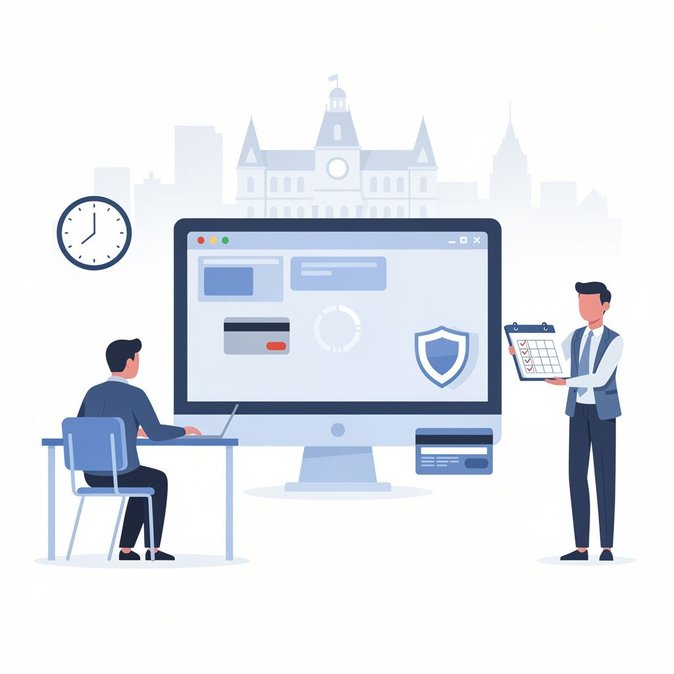
The Office for Foreigners (UDSC) has announced that the Moduł Obsługi Spraw (MOS) online portal, used for filing residence-permit and work-authorisation applications, will be inaccessible on Monday 23 November from 20:00 to 22:00 CET due to a payment-system upgrade. The authority stresses that the blackout “does not postpone statutory filing deadlines”; applicants must plan submissions around the outage or use backup channels at voivodeship offices. Although a two-hour window may sound minor, MOS processes thousands of time-sensitive filings each evening as HR teams race to beat internal service-level agreements. Employers running large assignment programmes—especially in the IT and logistics sectors—should reschedule bulk uploads and biometric-appointment bookings. A failed submission results in an incomplete application and could jeopardise legal stay if an employee’s current permit expires. The planned downtime is the third in as many weeks as MOS migrates to a new e-payment gateway compliant with the EU’s Revised Payment Services Directive 2 (PSD2). The upgrade will introduce strong customer authentication (SCA) for online fees, meaning that corporate credit cards will require two-factor verification. Companies should ensure that cardholders are available when payments are triggered, or switch to the prepaid wallet option launched last quarter. UDSC says that system performance will be monitored in real time and that any overrun will be flagged on its X (formerly Twitter) account and via push notification within MOS. Mobility managers are advised to sign up to these alerts and to keep PDF copies of draft applications as a fallback. In the medium term, the agency plans a December release that will allow bulk CSV uploads of employee data—a long-requested feature by relocation providers. Tonight’s interruption is therefore a necessary step on the road to a more stable platform, but it underscores the importance of contingency planning for digitally dependent immigration workflows.
Source: Office for Foreigners (Gov.pl)