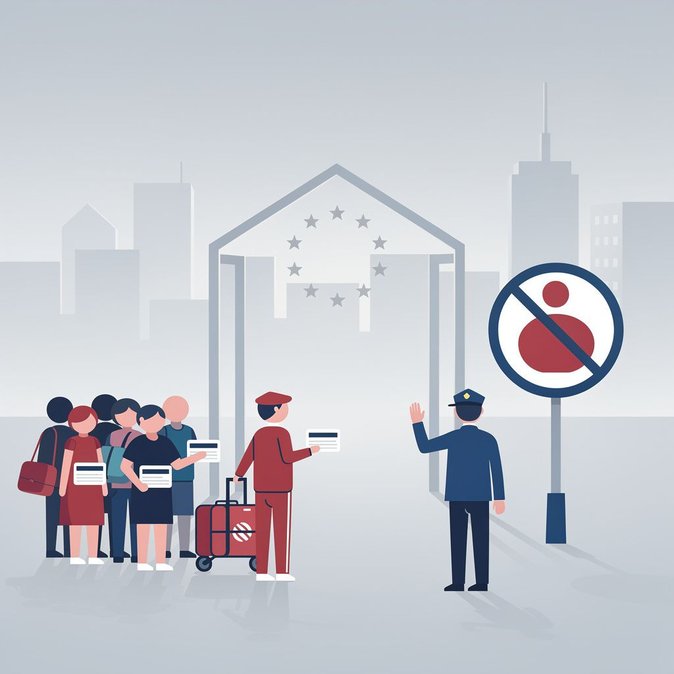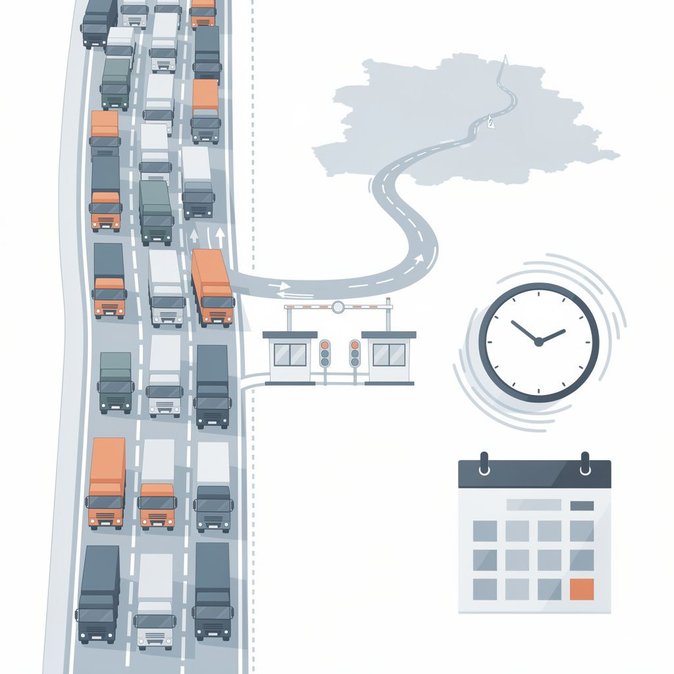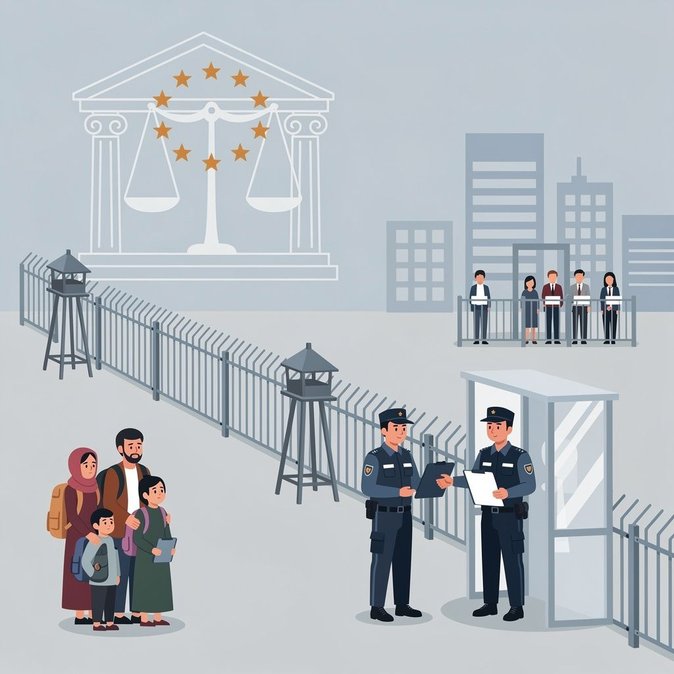
The European Court of Human Rights (ECHR) today delivered three landmark Grand Chamber judgments on so-called “instrumentalisation of migration” at the EU’s eastern frontier. In the case of A.R. and Others v. Poland, the Court found that Polish border officials violated Article 3 (prohibition of inhuman or degrading treatment) when they summarily returned an Afghan asylum-seeker to Belarus in August 2021 despite an interim order requesting that he be allowed to remain in Poland pending review. The ruling comes after five years of tense stand-offs and a heavily fortified fence along the 418-km Polish-Belarusian border. While the Court recognised Warsaw’s right to police its frontier and deter irregular crossings orchestrated by Minsk, it drew a clear line: vulnerable people must be individually screened and protected from refoulement even in a hybrid-warfare context. The judges introduced a two-tier test for vulnerability. Children and obviously disabled persons automatically qualify, while others—such as victims of persecution—may also qualify if the risk is “real and immediate.” In Poland’s case, the applicant had already been granted interim relief, placing him squarely in the second tier. For global-mobility managers the judgment raises practical questions. Companies that post staff to Poland—or route transferees through Warsaw’s hub airports—must assume tighter procedural safeguards at the external Schengen border. Any corporate-sponsored humanitarian programmes will need to consider the Court’s vulnerability criteria when advising migrants. Conversely, the decision reassures businesses that Poland retains the legal right to remove inadmissible travellers after proper screening, averting fears of an open-border precedent. Politically, the ruling could influence the EU’s still-pending Crisis & Force Majeure Regulation, which seeks to codify fast-track border procedures during hybrid attacks. Poland is expected to use today’s judgment to argue for firmer legal cover while accepting the Court’s emphasis on individual assessments. Implementation guidance is likely to filter down to the Polish Border Guard within weeks; mobility professionals should watch for updated check-lists at land crossings and Warsaw Chopin Airport. Finally, the judgment sets a pan-European precedent. Latvia lost a parallel case involving children, while Lithuania won its defence after proving the applicants were not vulnerable. This uneven outcome underscores the importance of meticulous documentation when denying entry. Organisations assisting transferees or asylum seekers on the Polish frontier should ensure that vulnerability screenings are recorded and, where applicable, that interim-measure letters from Strasbourg travel with the person to the checkpoint.