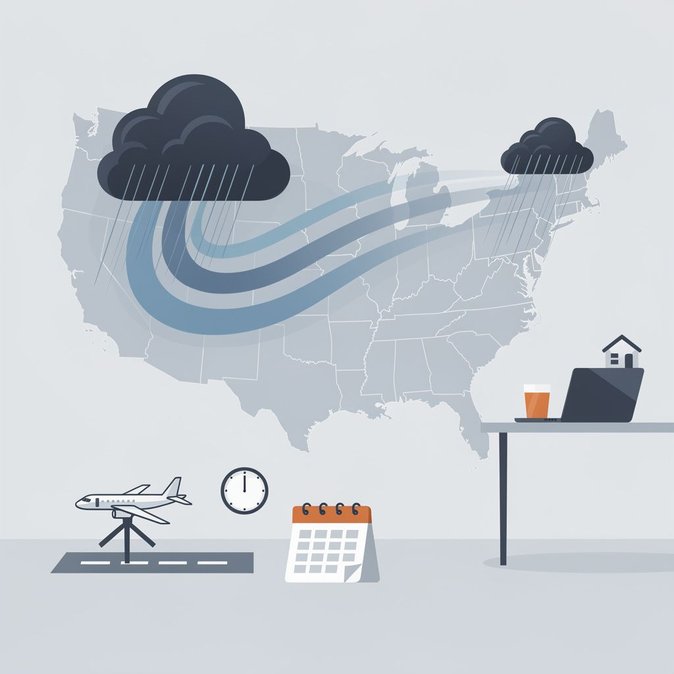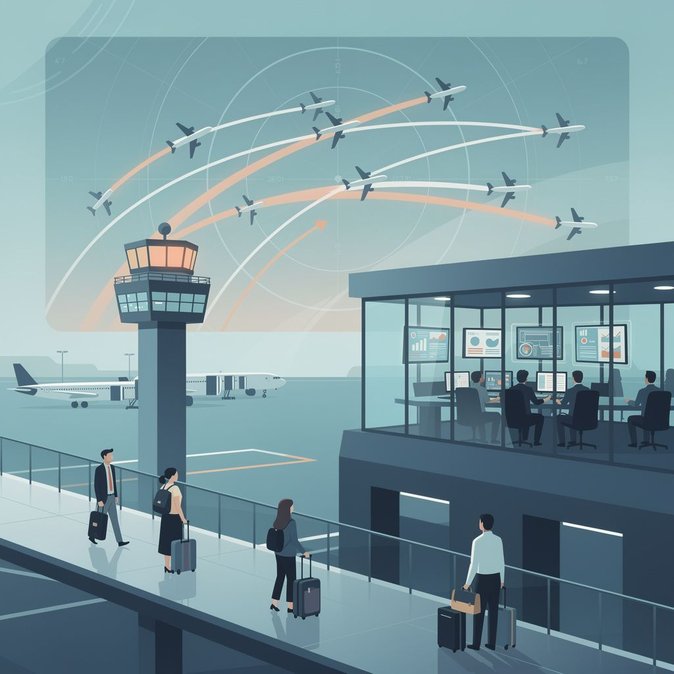
The U.S. Department of Transportation’s Federal Aviation Administration (FAA) on Monday, November 23, issued its holiday outlook projecting more than 417,000 commercial flights between November 23 and December 1. The forecast represents a 7.5 percent jump on pre-pandemic 2019 levels and the most Thanksgiving-week departures since 2010. Tuesday, November 24, is expected to be the single busiest day, with more than 52,000 take-offs planned. The agency says it has stood up a cross-government “Transportation Technology Transformation Tiger Team” to monitor the aging air-traffic-control network around the clock after this month’s nationwide ground stop exposed vulnerabilities in core communications routers. The Tiger Team is using a new predictive-congestion platform that flags airspace pinch points hours in advance—allowing traffic-management units to reroute flows and airlines to swap crews before delays cascade. For corporate mobility managers, the spike in volume means tighter aircraft utilization, reduced spare-aircraft buffers and a higher risk of irregular-operations costs for assignees trying to position over the holiday. Companies with critical cross-border meetings next week should consider refundable fares and aim for departures outside the FAA’s published peak windows (4–10 a.m. local for most hubs). The agency also urges travelers to bookmark nasstatus.faa.gov and sign up for push alerts from their carriers. Longer-term, the record forecast will add urgency to Capitol Hill negotiations over the stalled Air Traffic Control Modernization Fund. Airlines for America and the U.S. Travel Association argue that without a multiyear capital infusion for next-generation navigation, the chronic staffing and technology gaps exposed during 2026’s earlier ground stop will become routine. Employers that rely on same-day coast-to-coast mobility may see pressure to formalize remote-work contingencies as Congress debates the funding mechanism in December.