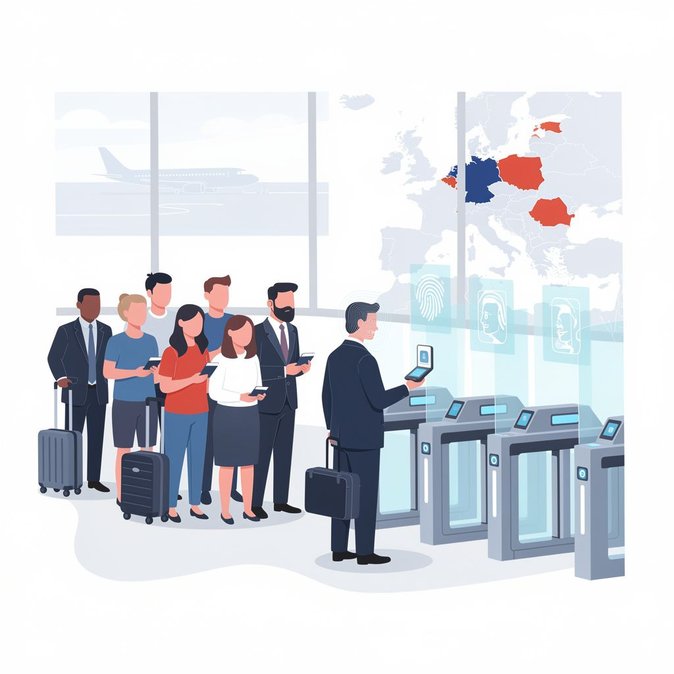
At a London travel-regulations conference on 25 November 2026, executives from ABTA, TUI, Ryanair and easyJet criticised the European Union’s Entry/Exit System (EES) for causing "long waits" and “unsettling” customers. Reporting by CreteTip.com highlights claims that some airports faced queues longer than four hours during the summer, prompting Greece to keep parts of the system "largely on hold". Czechia officially deployed EES at Prague, Brno and Ostrava airports in April, and while police say processing times now average seven minutes per non-EU passenger, peak-hour congestion remains a concern. The comments from major carriers renew pressure on member states—including Czechia—to increase staffing and add more biometric kiosks ahead of the 2027 tourist season. For Czech businesses that regularly fly in non-EU clients or technical contractors, EES teething problems translate into missed connections and higher meet-and-greet costs. Travel-management companies advising multinational employers in Prague are already recommending at least a two-hour buffer between scheduled arrival and onward rail meetings. Looking ahead, the industry fears that the forthcoming ETIAS travel-authorisation scheme could add further complexity. Czech authorities still plan to launch ETIAS in Q4 2026, but officials have hinted privately that a coordinated EU postponement is possible if EES performance does not stabilise. Stakeholders therefore urge companies to monitor official guidance and budget extra time for border formalities through 2027.
Source: CreteTip.com
How VisaHQ can help
VisaHQ simplifies the visa application process for individuals and businesses. Check current travel requirements, prepare the required documents and manage your application online through the VisaHQ Czech Republic portal.More From Czech Republic
View all
German Court Rules Border Checks with Czechia Unlawful, Raising Pressure on Berlin

Czechia unveils extraordinary Farm & Food Work Visa with strict monthly quotas for five non-EU countries