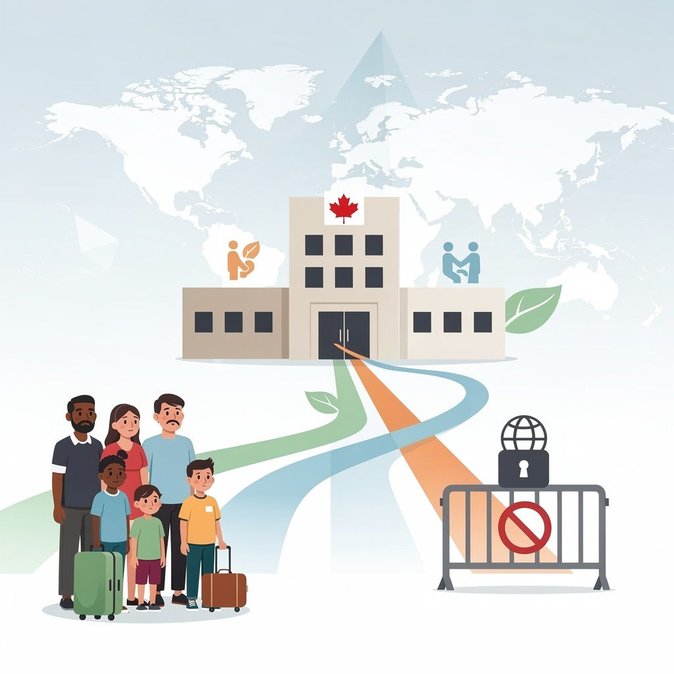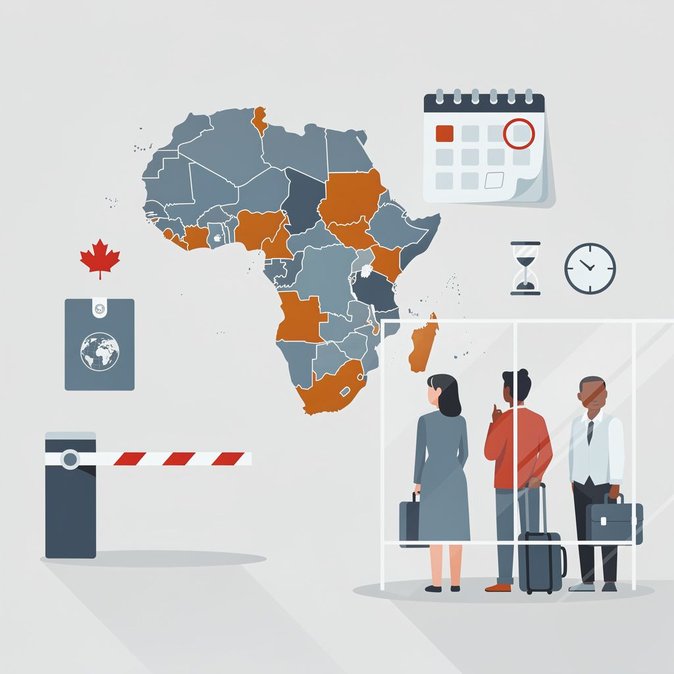
The Government of Canada has once again prolonged the extraordinary border and immigration controls first introduced in May 2026 to curb the risk of importing Ebola virus disease from Central and East Africa. In a notice published on November 27, 2026, Immigration, Refugees and Citizenship Canada (IRCC) confirmed that the temporary measures—affecting visa issuance, electronic travel authorisations (eTAs) and other immigration documents for applicants whose country of residence is the Democratic Republic of the Congo (DRC), Uganda or South Sudan—are now extended by a further 90 days, to 23:59 ET on February 25, 2027. During the suspension period, affected applications may be submitted and processed, but no approvals will be finalised and no travel documents will be issued. The restrictions apply regardless of an applicant’s nationality. Anyone outside Canada who listed DRC, Uganda or South Sudan as country of residence when applying for a visa, work or study permit, permanent residence, or an eTA will remain on hold. Travellers who already hold a valid visa and have not yet entered Canada are included in the freeze; their documents will be re-activated automatically when the suspension ends. Canadian citizens, permanent residents and persons with protected-person status remain free to return but face enhanced health screening at the border. IRCC justifies the continued pause as a “precautionary, proactive approach” aligned with advice from the Public Health Agency of Canada and the World Health Organization. The most recent WHO update reported more than 8,400 confirmed and probable Ebola cases across the three affected countries since January 2026, with sporadic cross-border movements of potentially exposed individuals. Although the public-health risk to Canada is assessed as low, Ottawa is keeping its measures in lock-step with similar policies in the United States, the European Union and several Gulf states. For employers and mobility managers, the extension prolongs uncertainty for assignees who live or work in the affected region. Companies planning rotations through mining, infrastructure and NGO projects in the DRC or South Sudan will need to maintain contingency staffing and consider remote-work arrangements. Foreign nationals already in Canada on a temporary permit remain able to extend their status, but travel home could strand them abroad if they need a new visa to return. HR teams should flag the February 25 deadline, monitor local developments and collect contact details for any employees or dependants who might be caught by a further extension. Practical tips: 1) advise travellers transiting through DRC, Uganda or South Sudan—even for a short lay-over—to keep documentary proof of onward travel, as CBSA officers may request evidence that they did not leave the sterile area; 2) for urgent business travel, explore whether a humanitarian and compassionate exemption may be available; 3) update global mobility risk registers to reflect the new end-date and communicate with project managers who rely on in-country talent pipelines. Companies with significant exposure should continue liaising with IRCC and trade associations to make the economic case for streamlined exemptions once the epidemiological situation improves.