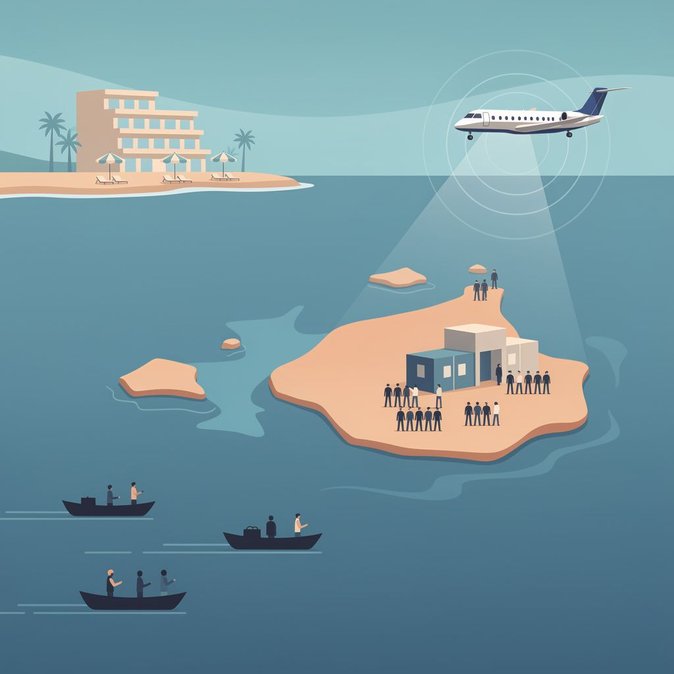
Spain’s Interior Ministry this week sent an official letter to the EU Border and Coast Guard Agency (Frontex) requesting an urgent deployment of personnel, patrol aircraft and surveillance technology along the Atlantic route that links West Africa with the Canary Islands. Frontex spokesman Chris Borowski confirmed to Cadena SER on 27 November that the agency has already begun designing a joint operational plan with Madrid and expects to give a formal green-light “within days”. Canary leaders have been pleading for months for stronger aerial detection after the archipelago received more than 24,000 irregular arrivals between 1 January and 15 November—66 percent more than the same period in 2025. Local President Fernando Clavijo welcomed the move but criticised what he called the “bureaucratic delay” that forced the islands to face the autumn surge with limited assets. Under the draft concept of operations, Frontex would redeploy a surveillance aircraft currently based in Cabo Verde so that its flight patterns cover Senegal’s search-and-rescue zone, where many cayucos launch. The agency could also send document experts and registration teams to reinforce first-line screening, although the spokesman stressed that Frontex “does not measure success by the number of prevented departures but by support given to Spain once migrants arrive.” Practically, the deployment should shorten rescue times, reduce loss of life at sea and ease pressure on local reception centres by speeding up identification and relocation procedures. For global mobility managers the decision signals tighter EU-level scrutiny of movements through Spain and the prospect of quicker return operations for those found not to qualify for protection. The request comes as Spanish parties enter the final stretch of the 29-November general election campaign, where migration management has become a central talking point. A visible Frontex presence could bolster the incumbent government’s message that it retains control of the border, while also addressing private-sector fears that prolonged chaos on the islands would disrupt winter tourism and business travel.
Source: Cadena SER