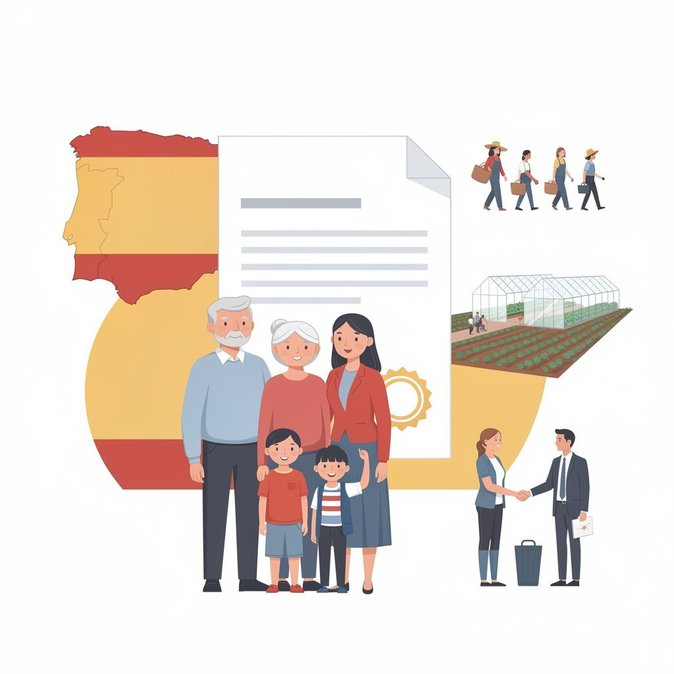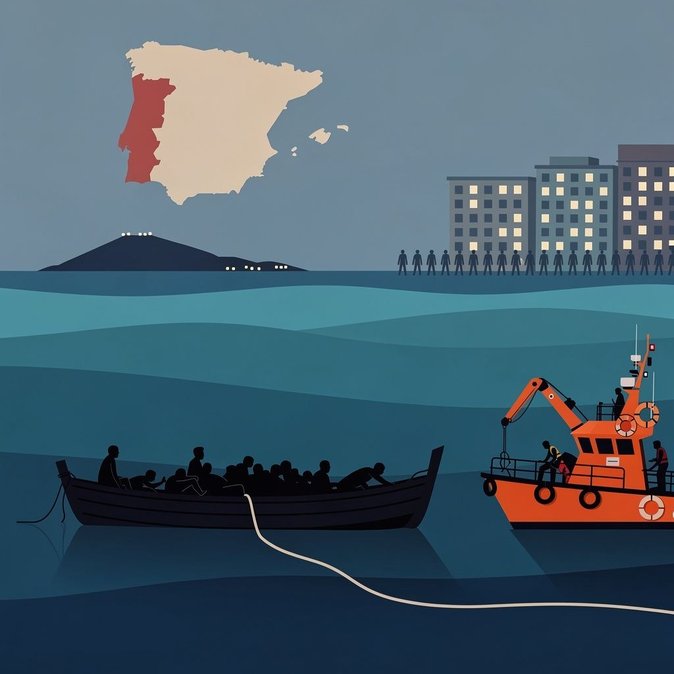
Spain’s maritime rescue service confirmed that 13 people died when an overloaded cayuco (wooden canoe) was towed towards La Restinga, El Hierro, in the early hours of 27 November. A sailing yacht first sighted the drifting vessel 62 km south of the island; rescue ship Salvamar Navia reached the scene around 06:00. Eighty-four survivors—some children—were landed in critical condition and treated in a field hospital run jointly by the Red Cross and the Military Emergency Unit (UME). The tragedy is the latest in a deadly week on the Atlantic route from West Africa. Since 1 October, more than 21,000 people have arrived in the Canary Islands, eclipsing numbers seen during the 2020 migration crisis. Rough seas, erratic GPS devices and over-crowding make the crossing one of the world’s most lethal. Regional president Fernando Clavijo renewed calls for a coordinated EU-Senegal-Gambia strategy, warning that the archipelago “cannot cope alone.” For mobility managers, the humanitarian emergency has operational knock-ons: police redeployments to docks slow passport control at Tenerife South and Las Palmas airports, while hotel requisitions reduce room inventory in winter sun resorts. Employers relocating staff to the islands should build extra time into arrival formalities and monitor health-and-safety guidance. Politically, the deaths underscore how migration has become a ballot-box issue. Parties on the right blame the Sánchez government’s regularisation policy for acting as a “pull factor,” whereas business federations argue migrants are filling acute labour gaps in hospitality and agriculture. Brussels has promised €50 million in emergency funds, but longer-term solutions—such as EU talent partnerships—remain stalled. Until sea conditions deteriorate in January, Spanish authorities expect daily landings to remain high. Corporate security teams should update travel-risk assessments for El Hierro and Tenerife ports, and HR departments should prepare for possible processing delays when assisting employees’ family-reunification or humanitarian work-permit applications.
Source: El PAÍS