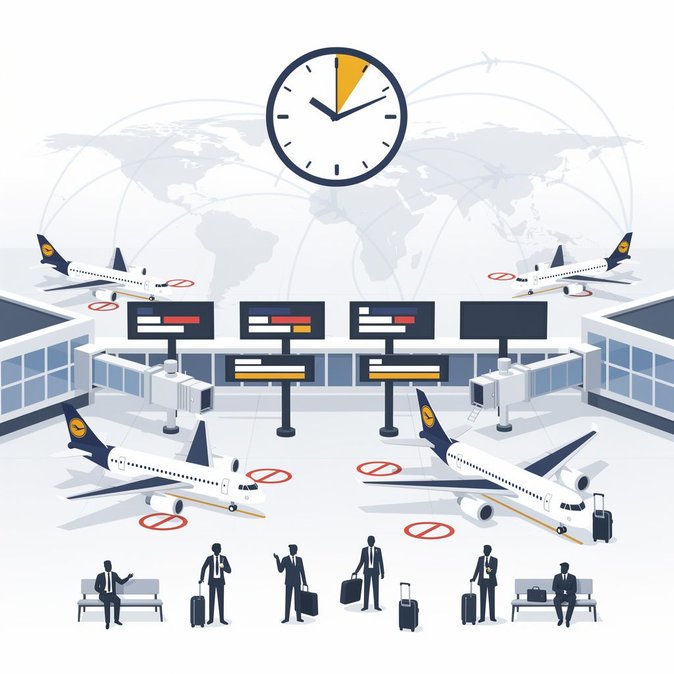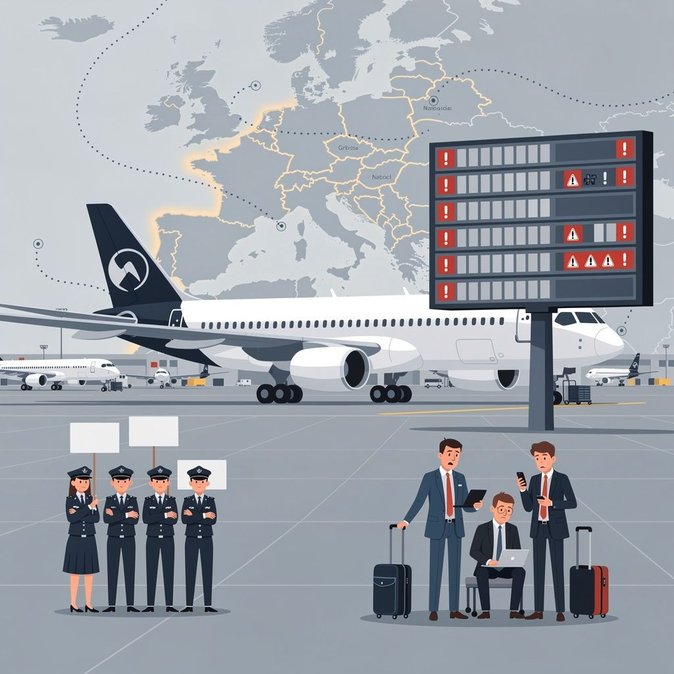
Germany’s largest carrier once again faces the spectre of industrial action after mediators declared talks between Lufthansa and the Vereinigung Cockpit (VC) pilots’ union failed late on 24 November. An independent strike-monitoring portal updated its status board to ‘orange’ on 28 November, signalling that a walk-out could be called at any time once the union’s ultimatum expires on 30 November. The breakdown follows months of negotiations over pay scales and pension provisions. Lufthansa insists its latest offer secures long-term career paths while protecting competitiveness, but VC argues that real wages have not kept pace with inflation and that management rejected the mediator’s compromise package. Cabin-crew union UFO is also in early-warning mode, with its collective agreement expiring on 31 December, while ground-staff union ver.di remains calm after concluding a deal earlier this year. For corporate travel managers the timing is perilous. December is peak holiday and conference season, and any pilot strike would ground most of Lufthansa’s 5,000-plus weekly departures from Frankfurt and Munich hubs. Unlike weather disruptions, work stoppages by airline staff are not considered an ‘extraordinary circumstance’ under EU Regulation 261/2004, meaning the carrier owes compensation of up to €600 per passenger in addition to rerouting or refunds. The strike portal therefore urges travellers to check whether their ticket number begins with ‘220’; codeshare flights operated by partners such as Swiss or United are usually safe. Firms with German assignees or time-sensitive cargo should activate contingency plans: reroute via Star Alliance partners, book rail alternatives on Deutsche Bahn, and adjust duty-of-care tracking. Mobility budgets could swell if last-minute fares on unaffected airlines spike. Meanwhile, HR departments should remind employees of their rights to meals, accommodation and cash compensation should cancellations occur.
Source: Streikwarner.de