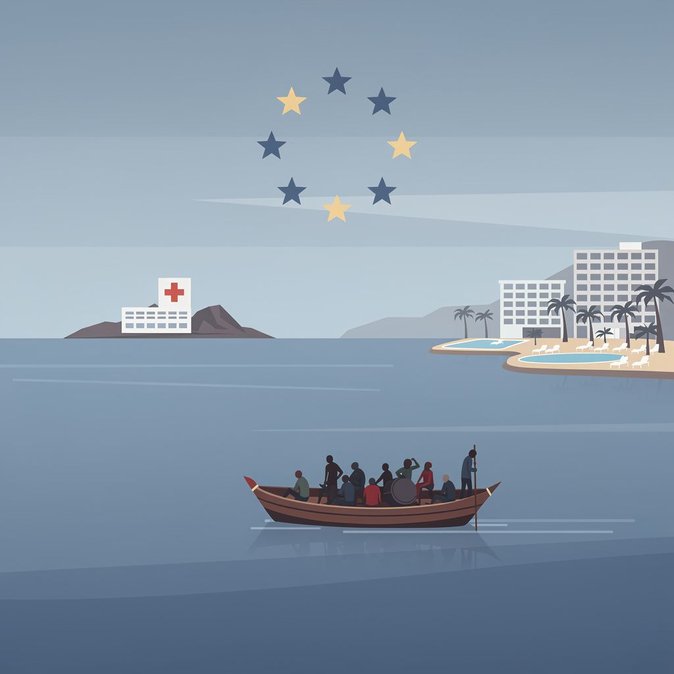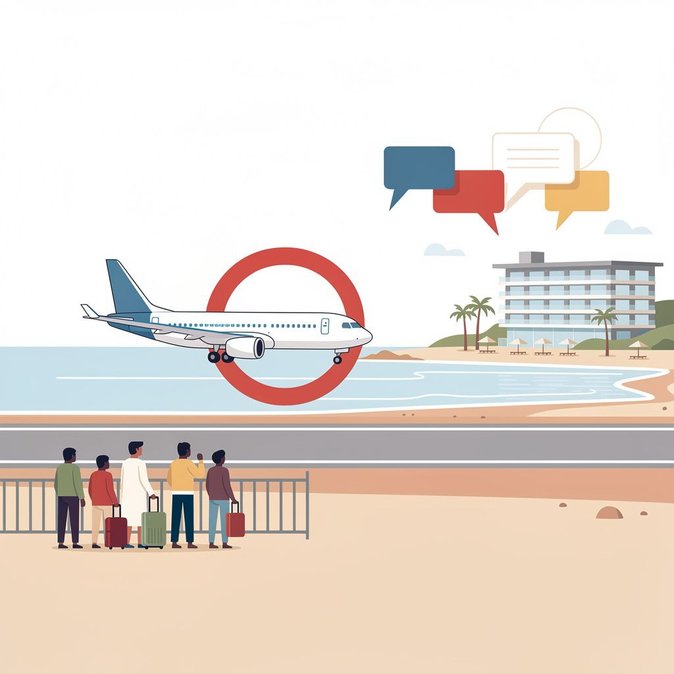
With Spain’s 29 November general election looming, the government has quietly shelved plans to fly 30 migrants from the Canary Islands to a humanitarian reception hotel in Malgrat de Mar, Catalonia. El País reveals that logistical arrangements were finalised—rooms booked, bus charters paid—before the Ministry of Inclusion pulled the plug on 13 November, fearing political backlash. The right-of-centre Partido Popular had already staged media-friendly protests outside similar hotels in Blanes and Lloret de Mar, accusing Prime Minister Pedro Sánchez of “importing illegal immigration.” Local officials complained they were not properly briefed, even though the transfer scheme follows a long-standing practice of easing pressure on island hotspots by using off-season tourist accommodation on the mainland. Sources inside the Directorate-General for Humanitarian Attention say the cancellation was officially labelled an “operational adjustment,” but insiders admit the optics of relocating African migrants to a marginal constituency days before voting were judged too risky. NGOs warn that allowing electoral considerations to dictate relocation timetables sets a dangerous precedent and undermines Spain’s obligation to provide dignified reception conditions. For global-mobility managers, the episode underlines the increased politicisation of internal movements of third-country nationals within Spain. Companies planning to house assignees in coastal resorts this winter should anticipate sudden block bookings by the state or abrupt cancellations if political temperature rises. Contingency leases and flexible booking clauses are advisable. Longer-term, observers expect a post-election review of Spain’s humanitarian transfer programme, potentially shifting decisions from Madrid to an inter-regional quota system. That could affect how quickly migrants—especially unaccompanied minors—are moved to areas with labour shortages, something employers in agriculture and hospitality are already lobbying for.
Source: El País