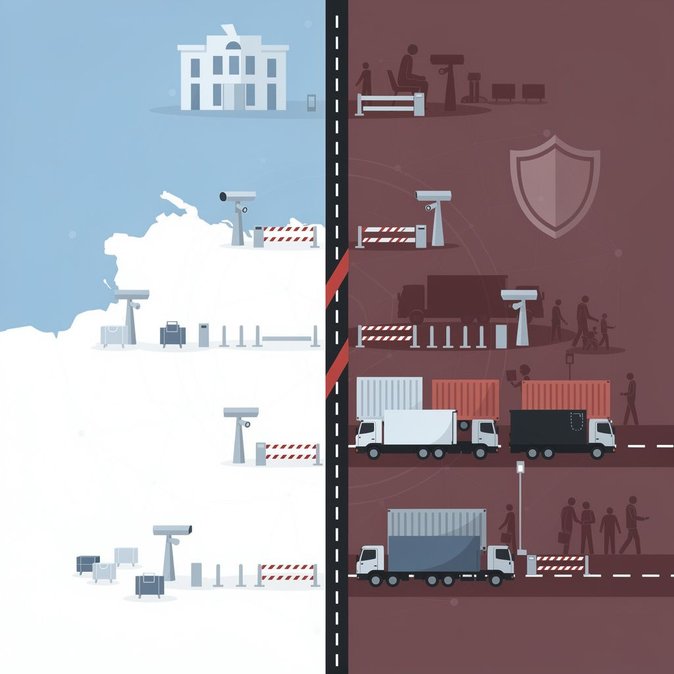
Finland has formally extended the exceptional Border Security Act for a further two years after President Alexander Stubb confirmed the bill in a presidential session on Friday, 27 November 2026. The Act – originally adopted in July 2024 at the height of what the government describes as “instrumentalised migration” on the eastern frontier – empowers the cabinet, as a measure of last resort, to restrict the lodging of asylum claims in limited border areas if national security is deemed to be at risk. The latest extension means the legislation will now remain in force until 31 December 2028. According to the Ministry of the Interior, intelligence from the Border Guard indicates that the risk of renewed large-scale crossings orchestrated by Russia remains high, and that the continued closure of all land crossing points since December 2023 has been effective but not sufficient on its own. By confirming the law, the President gives authorities a legal “insurance policy” should the situation on the 1,340-kilometre border deteriorate suddenly. For employers and globally mobile staff, the move locks in an operating environment that has become progressively more restrictive since 2022. Business visitors and logistics operators who previously relied on land transport via Russia must continue to route cargo and personnel through air or sea alternatives, typically via Estonia or direct flights to third-country hubs. International companies with Russian staff stationed in Finland will also face tighter scrutiny when work or residence permits come up for renewal, as the Act allows officials to limit the reception of protection applications in border areas. Human-rights organisations, including the Finnish Refugee Advice Centre, warn that repeated rollover of a temporary “pushback” framework risks eroding Finland’s compliance with the EU asylum acquis and with the Geneva Convention. The government counters that the powers can only be activated by a separate decision and that ordinary asylum procedures at airports and ports remain unaffected. Multinational firms are advised to revise contingency travel plans for personnel who might need to transit the eastern border and to brief any Russian-national employees on the heightened visa-screening environment. While the extension does not in itself trigger new restrictions, it signals that Finland expects an enduring hybrid-security challenge on its border and is ready to act at short notice, potentially with little public lead time.