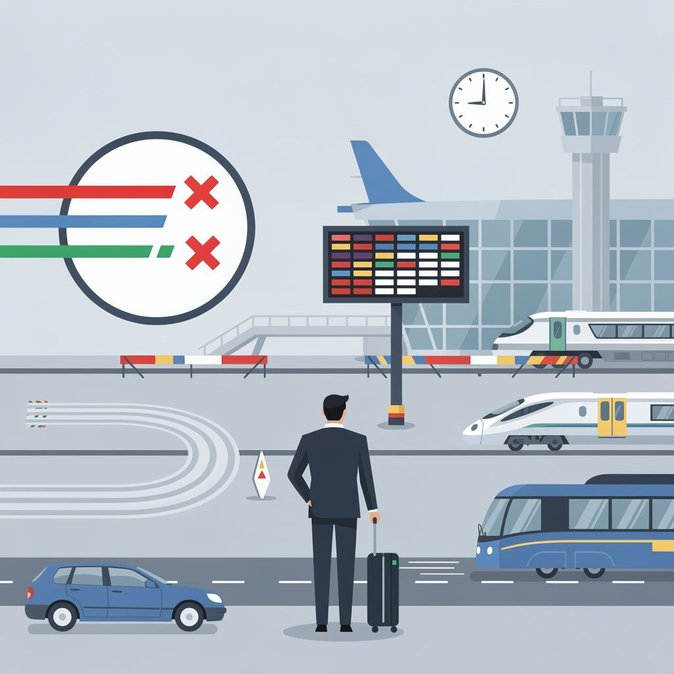
The European Commission has launched a call for evidence on a targeted revision of rules protecting passengers with disabilities or reduced mobility across air, rail, sea and coach travel. Stakeholders have until 8 January 2027 to submit feedback, with Brussels aiming to harmonise notice periods for assistance, introduce written confirmations and, potentially, compensation for service failures. Although the UK is no longer an EU member, British travellers remain covered by EU Regulation 1107/2006 when departing from or transiting through an EU airport, and by EU rail and maritime regulations while on the Continent. Any tightening of standards could therefore raise expectations—and liabilities—for UK employers organising pan-European trips. Key proposals include shortening the current 48-hour advance-notice requirement for special assistance, a frequent barrier for last-minute business travel, and aligning the patchwork of modal rules into a single, user-friendly code. The Commission also wants carriers to provide written reasons when refusing carriage and to improve complaint-handling mechanisms. For travel managers the review is an opportunity to lobby for clearer, faster assistance processes that reduce missed meetings and connections. Companies with employees who have permanent or temporary disabilities should consider contributing real-world case studies to the consultation. They should also audit booking tools to ensure mobility-assistance requests are captured and transmitted to suppliers. Legislation will still require approval by the European Parliament and Council, so any new obligations are unlikely to bite before 2029. However, carriers often adopt emerging best practice early, meaning UK corporates could see service improvements—along with higher compliance expectations—well before then.
Source: Travelling for Business