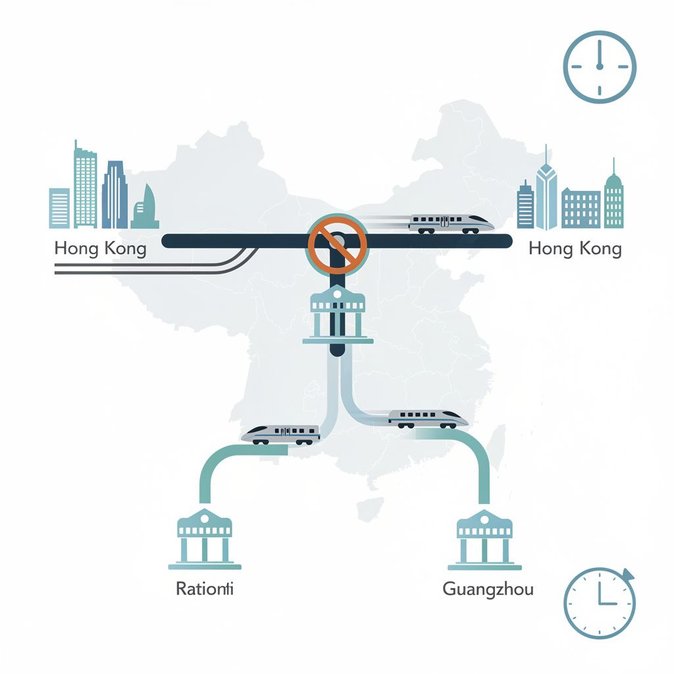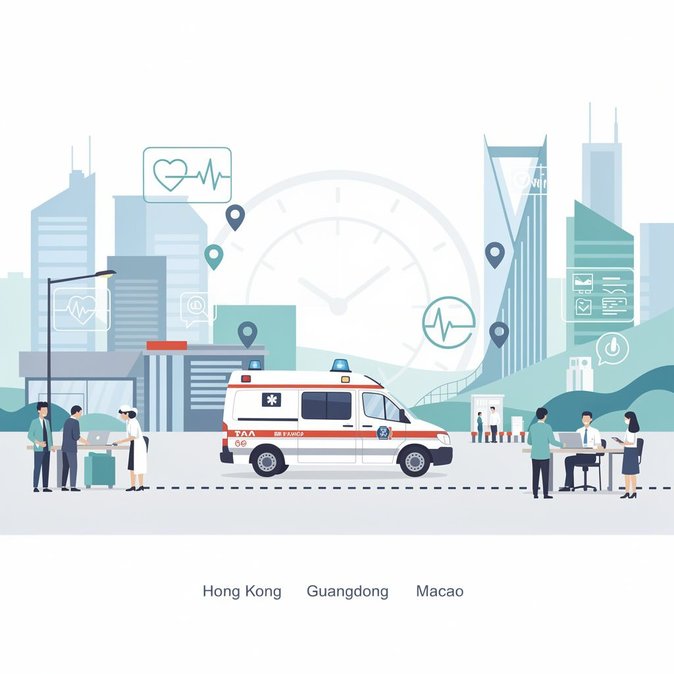
A Hong Kong St John ambulance crossed the Lok Ma Chau Spur Line Bridge into Zhuhai on 27 November during the first full-scale drill of the Pilot Scheme for Direct Cross-boundary Ambulance Transfer in the Guangdong–Hong Kong–Macao Greater Bay Area (GBA). The exercise, organised jointly by the HKSAR Government, Guangdong and Macao authorities, simulated a trauma patient being stabilised at Hong Kong’s Prince of Wales Hospital and then ferried to Zhuhai People’s Hospital within three hours, using a single immigration checkpoint and pre-cleared passenger manifest. Under the pilot, designated ambulances carry dual licence plates and electronic tags that transmit patient and crew data to all three jurisdictions before arrival, enabling one-stop customs, immigration and quarantine processing without off-loading the patient. Friday’s drill verified radio interoperability, e-health record transfers and lane reservations at the Hong Kong–Zhuhai–Macao Bridge control points. Hong Kong officials said the goal is to cut current door-to-door transfer times—which often exceed six hours because of multiple border formalities—to under four hours for critical cases. If formally launched in 2027, the scheme would extend medical coverage for Hong Kong residents working in the mainland GBA cities and offer mainland insurers faster access to specialist care in the SAR. Multinational firms with staff stationed across the GBA should factor the new pathway into their emergency-response plans and review cross-border medical insurance riders. Meanwhile, logistics providers anticipate that the same data-sharing architecture could be adapted for blood products and time-sensitive clinical trial materials, further integrating the region’s healthcare and life-sciences supply chains.