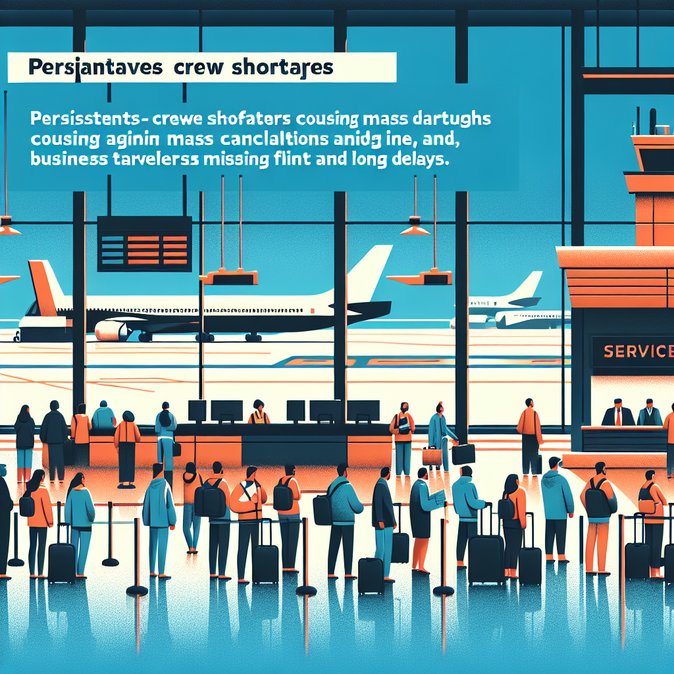
Mumbai International Airport Limited (MIAL) disclosed on 9 December that continuous flight disruptions at IndiGo have affected more than 40,000 passengers since 1 December and left 260,000 others facing delays longer than three hours. India’s largest carrier by market share cancelled dozens of rotations after recurrent crew shortages compounded by cascading schedule knock-ons.
Corporate travel desks were forced to re-route executives via full-fare competitors or charter last-minute connections through Bengaluru and Delhi, inflating trip costs during the year-end budgeting cycle. Multinational firms with time-sensitive supply-chain visits to Maharashtra reported postponements in factory audits and sales kick-offs.
![IndiGo operational crisis hits 40,000 passengers at Mumbai hub, raises mobility risk for business travellers]()
MIAL says it has set up extra seating, hydration points and real-time alert screens, but security queues and immigration counters in Terminal 2 still saw peak-hour congestion. The Civil Aviation Ministry has imposed temporary fare caps on trunk routes to prevent price gouging; however, travellers continue to complain of spot fares topping ₹45,000 one-way on sectors normally priced below ₹10,000.
Travel-management companies advise corporates to build greater buffer time for domestic-to-international connections out of Mumbai, or consider rail/road hops to Pune for onward flights. The episode also renews debate on the need for carriers to file mobility continuity plans—akin to business-continuity rules in banking—when crew rosters fall below critical thresholds.
Corporate travel desks were forced to re-route executives via full-fare competitors or charter last-minute connections through Bengaluru and Delhi, inflating trip costs during the year-end budgeting cycle. Multinational firms with time-sensitive supply-chain visits to Maharashtra reported postponements in factory audits and sales kick-offs.

MIAL says it has set up extra seating, hydration points and real-time alert screens, but security queues and immigration counters in Terminal 2 still saw peak-hour congestion. The Civil Aviation Ministry has imposed temporary fare caps on trunk routes to prevent price gouging; however, travellers continue to complain of spot fares topping ₹45,000 one-way on sectors normally priced below ₹10,000.
Travel-management companies advise corporates to build greater buffer time for domestic-to-international connections out of Mumbai, or consider rail/road hops to Pune for onward flights. The episode also renews debate on the need for carriers to file mobility continuity plans—akin to business-continuity rules in banking—when crew rosters fall below critical thresholds.
Source: The Times of India – Business