Lufthansa has issued fresh guidance to passengers as the European Union’s Entry/Exit System (EES) continues phased deployment, with Germany aiming for complete implementation at all external border points by 10 April 2026.
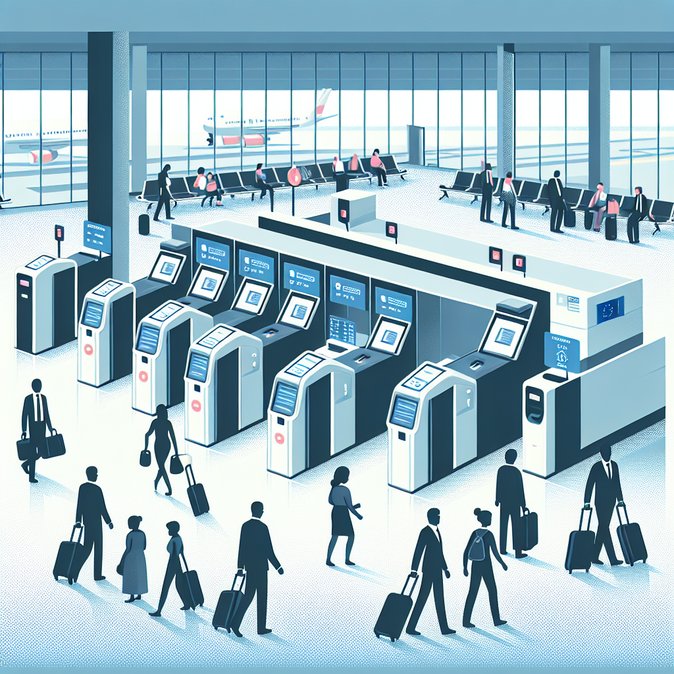
EES will replace manual passport stamping for short-stay non-EU travellers with biometric registrations capturing facial images and four fingerprints on first entry. Once live, German airports and seaports will direct third-country nationals to self-service kiosks where data are stored for three years, automating 90/180-day calculations.
![EU Entry/Exit System countdown: Germany prepares for full roll-out by April 2026]()
Airlines are urging business-travel planners to build in extra time—up to 20 minutes—for first-time EES enrolment, especially at hubs such as Frankfurt and Munich. Frequent flyers who have already provided biometrics during trials will move through dedicated eGates.
The system is part of the EU’s Smart Borders package that also introduces the ETIAS travel authorisation (now slated for mid-2026). Together, the tools are expected to tighten overstayer detection while shortening queues for compliant travellers.
Companies rotating staff on short-term assignments should review rotation schedules: the automated counter will no longer allow ‘clock-reset’ strategies where employees exit and re-enter on consecutive days. Overstays will trigger automatic alerts and possible Schengen-wide entry bans.
EES will replace manual passport stamping for short-stay non-EU travellers with biometric registrations capturing facial images and four fingerprints on first entry. Once live, German airports and seaports will direct third-country nationals to self-service kiosks where data are stored for three years, automating 90/180-day calculations.

Airlines are urging business-travel planners to build in extra time—up to 20 minutes—for first-time EES enrolment, especially at hubs such as Frankfurt and Munich. Frequent flyers who have already provided biometrics during trials will move through dedicated eGates.
The system is part of the EU’s Smart Borders package that also introduces the ETIAS travel authorisation (now slated for mid-2026). Together, the tools are expected to tighten overstayer detection while shortening queues for compliant travellers.
Companies rotating staff on short-term assignments should review rotation schedules: the automated counter will no longer allow ‘clock-reset’ strategies where employees exit and re-enter on consecutive days. Overstays will trigger automatic alerts and possible Schengen-wide entry bans.
Source: Lufthansa