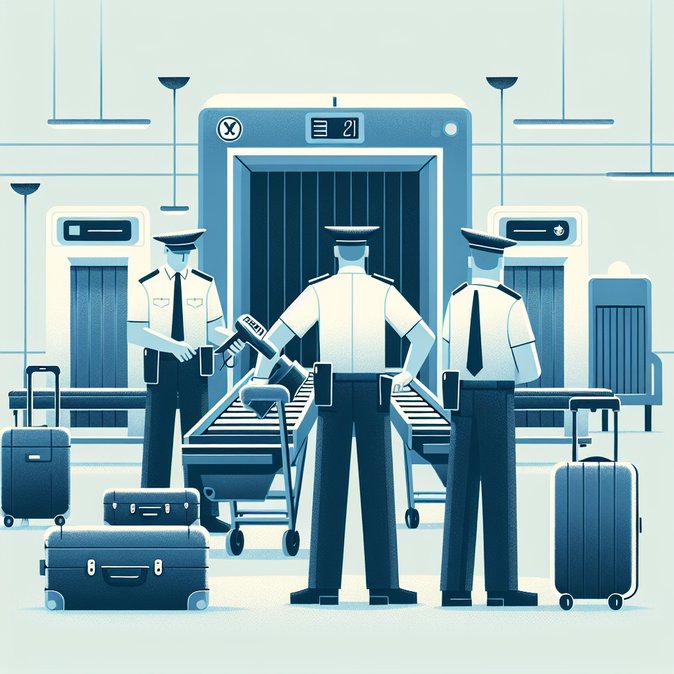
In a separate operation barely 24 hours after the cocaine-pellet case, Australian Border Force officers on 24 January stopped a 32-year-old Western-Sydney woman arriving from South Africa when x-ray imagery revealed anomalies in her two suitcases. Inside they allegedly found 39 kg of methamphetamine packed in vacuum-sealed bags – enough for 390 000 street-level deals with a notional value of AU$36.7 million.
The woman was charged on 25 January with importing and possessing a commercial quantity of a border-controlled drug. AFP Detective-Superintendent Morgan Blunden said the arrest was the seventh drug-mule interception at Australian airports “in a matter of days”, suggesting smugglers are testing new routes ahead of the busy Australia-Day travel weekend.
![39 kg of meth seized from luggage of Sydney arrival as authorities warn of ‘sharp spike’ in drug-mule activity]()
The ABF says it is intensifying collaboration with airline security teams and has advised ground-handlers to watch for travellers checking unusually heavy or chemically scented luggage. Mobility professionals relocating staff from higher-risk regions should factor in potential baggage delays for secondary screening and remind travellers that random swab tests are routine.
The case also illustrates the regulatory ripple-effect: freight forwarders handling unaccompanied personal effects from South Africa can expect heightened inspection frequencies for at least the next quarter, while employers sponsoring short-term mobility assignments will see visa applicants asked more detailed travel-history questions when itineraries include Johannesburg or Cape Town.
Industry analysts note that the seizure comes as the federal government prepares a 2026 Aviation Security Amendment Bill that would expand the AirportWatch public-reporting programme referenced by the AFP in its post-arrest statement.
The woman was charged on 25 January with importing and possessing a commercial quantity of a border-controlled drug. AFP Detective-Superintendent Morgan Blunden said the arrest was the seventh drug-mule interception at Australian airports “in a matter of days”, suggesting smugglers are testing new routes ahead of the busy Australia-Day travel weekend.
The ABF says it is intensifying collaboration with airline security teams and has advised ground-handlers to watch for travellers checking unusually heavy or chemically scented luggage. Mobility professionals relocating staff from higher-risk regions should factor in potential baggage delays for secondary screening and remind travellers that random swab tests are routine.
The case also illustrates the regulatory ripple-effect: freight forwarders handling unaccompanied personal effects from South Africa can expect heightened inspection frequencies for at least the next quarter, while employers sponsoring short-term mobility assignments will see visa applicants asked more detailed travel-history questions when itineraries include Johannesburg or Cape Town.
Industry analysts note that the seizure comes as the federal government prepares a 2026 Aviation Security Amendment Bill that would expand the AirportWatch public-reporting programme referenced by the AFP in its post-arrest statement.
Source: Mirage News